Toxic Sites Threaten Human and Wildlife Health
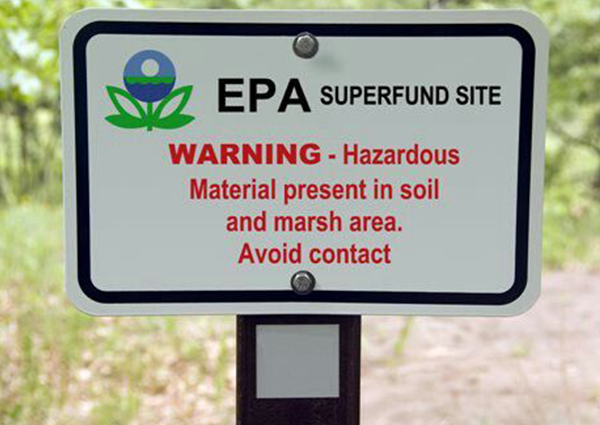
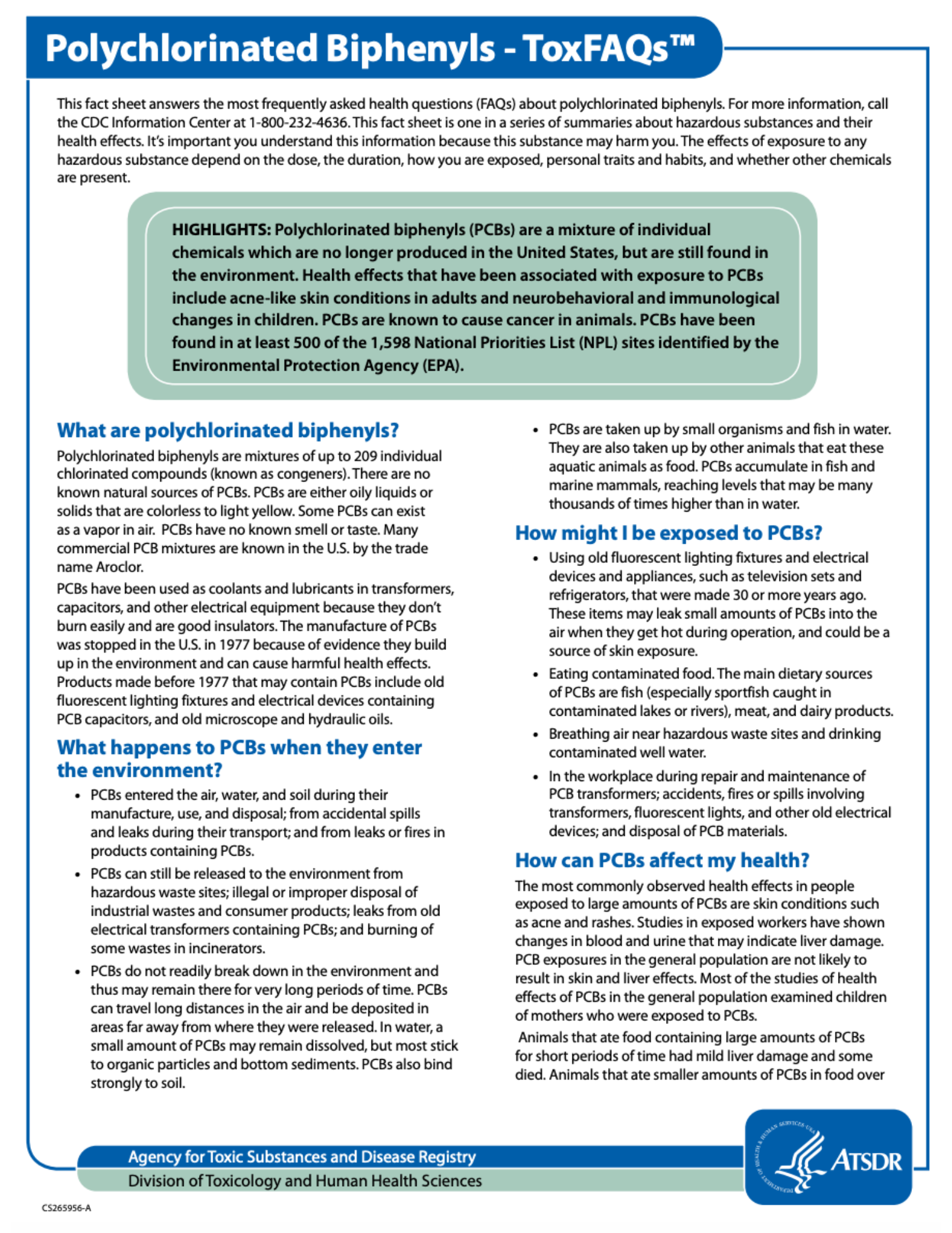
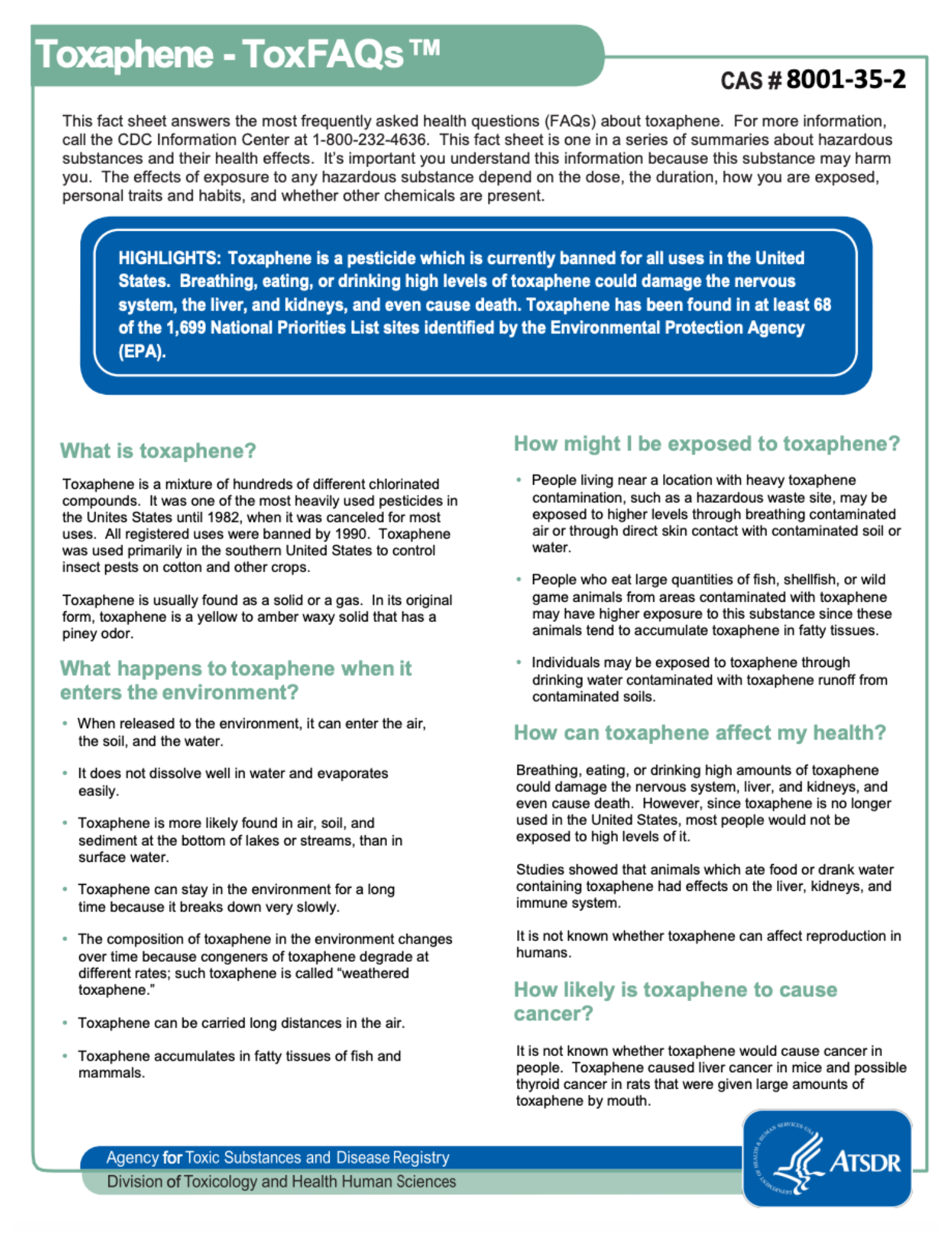
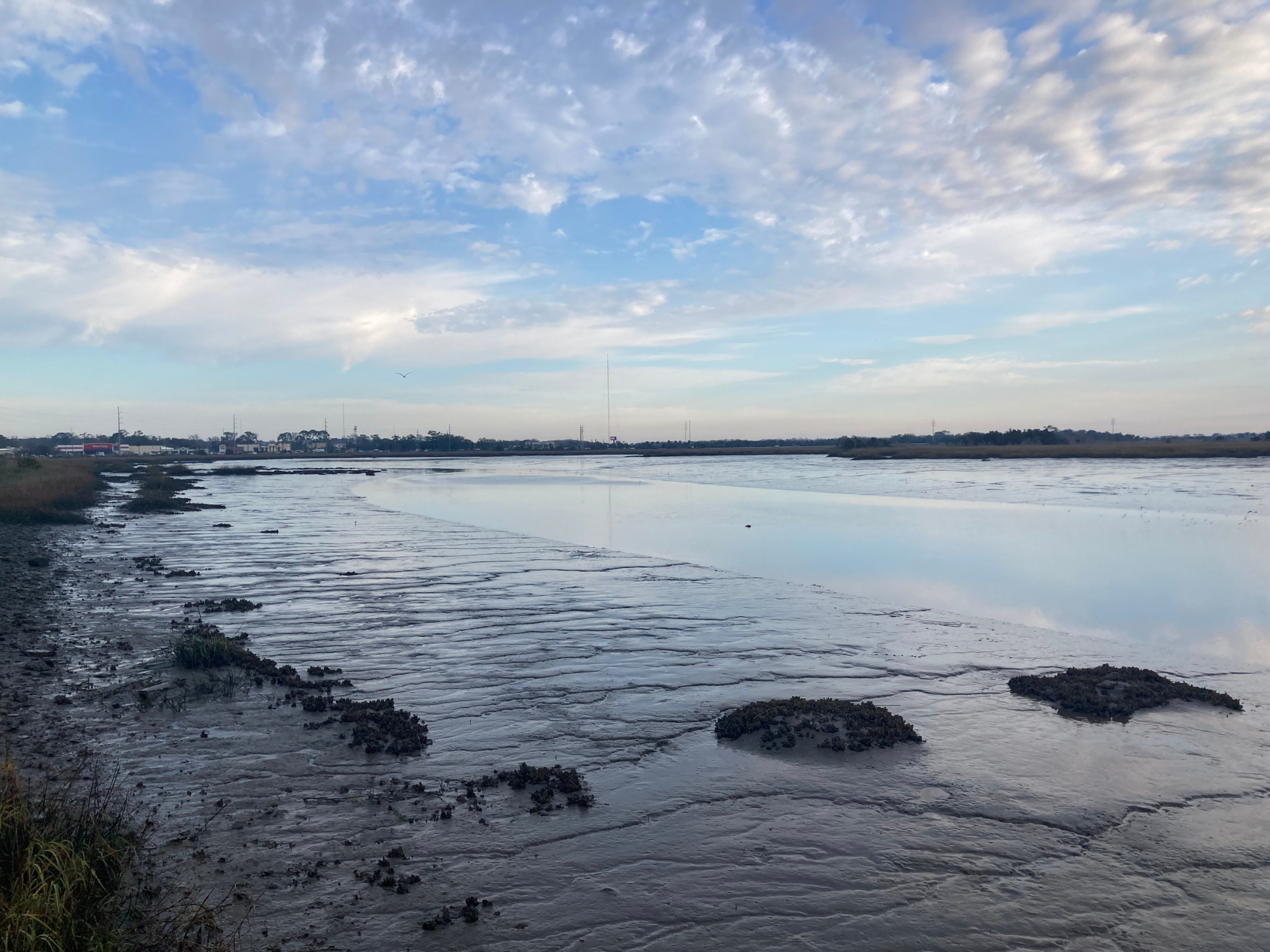
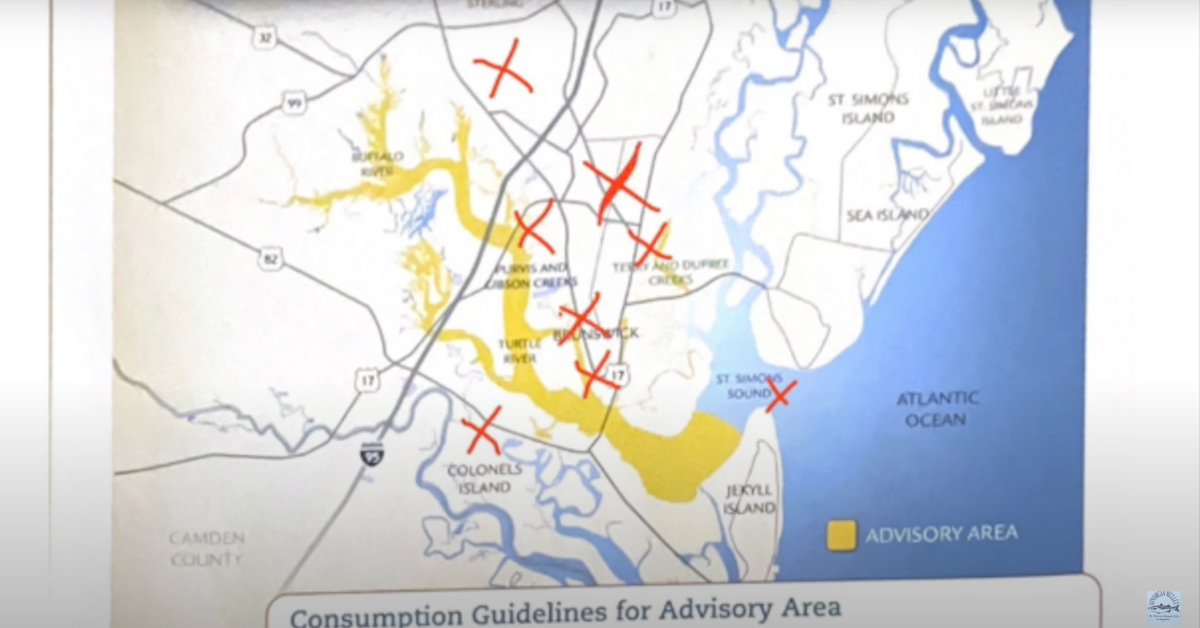
Every time we recreate by or consume fish caught near hazardous sites, humans risk dangerous exposure to carcinogenic chemicals, such as Toxaphene in Terry Creek and Polychlorinated Biphenyls (PCBs) near the Honeywell-LCP Superfund site. Serious health impacts have also been documented on local wildlife such as fish and marine mammals, which accumulate the toxic materials in their tissue. These sites pose a threat to our economy and quality of life, as property values decline when hazardous materials are discovered. Often times, residents with the ability to leave will move from the community, leaving the most vulnerable residents behind to endure the ongoing threats.
Emory Team Publishes Study Findings
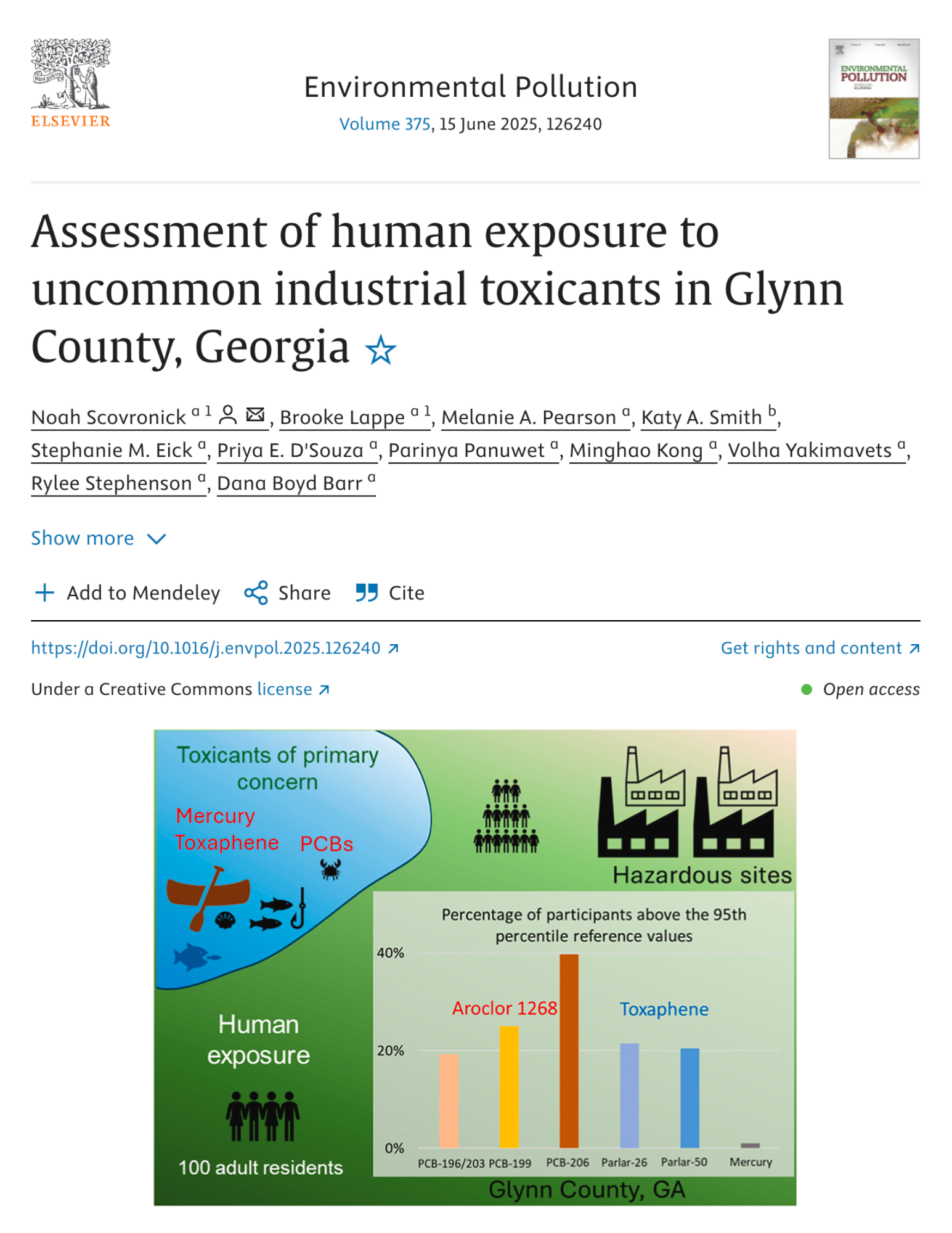
A peer-reviewed report on Glynn’s toxic pollutants, published in April 2025 by Emory research team, affirms what residents have always known.
Recently published in the journal “Environmental Pollution,” a peer-reviewed report on Emory University’s 2023 Chemical Exposure Study shows that Brunswick residents have higher-than-normal levels of Toxaphene, a harmful pesticide manufactured at the Hercules plant for nearly 80 years, and Polychlorinated Biphenyls (PCBs), associated with Aroclor 1269 only used in Honeywell’s LCP operations.
The report affirms what these residents have known for decades: the toxic pollutants dumped into local waters are a burden they carry in their bodies every day, long after the industries who polluted them have ceased operations.
Dig deeper into the issue by reading Emory’s press release and this article from the Atlanta Journal-Constitution.
OHM is grateful to the 100 residents who volunteered to give blood for the study, the Emory team who invested countless hours in this important research, and the community organizations and individuals who have been steadfast in this long battle for healing. We hope this publication leads to more investment in the understanding and rectifying the human health impacts from environmental contamination.
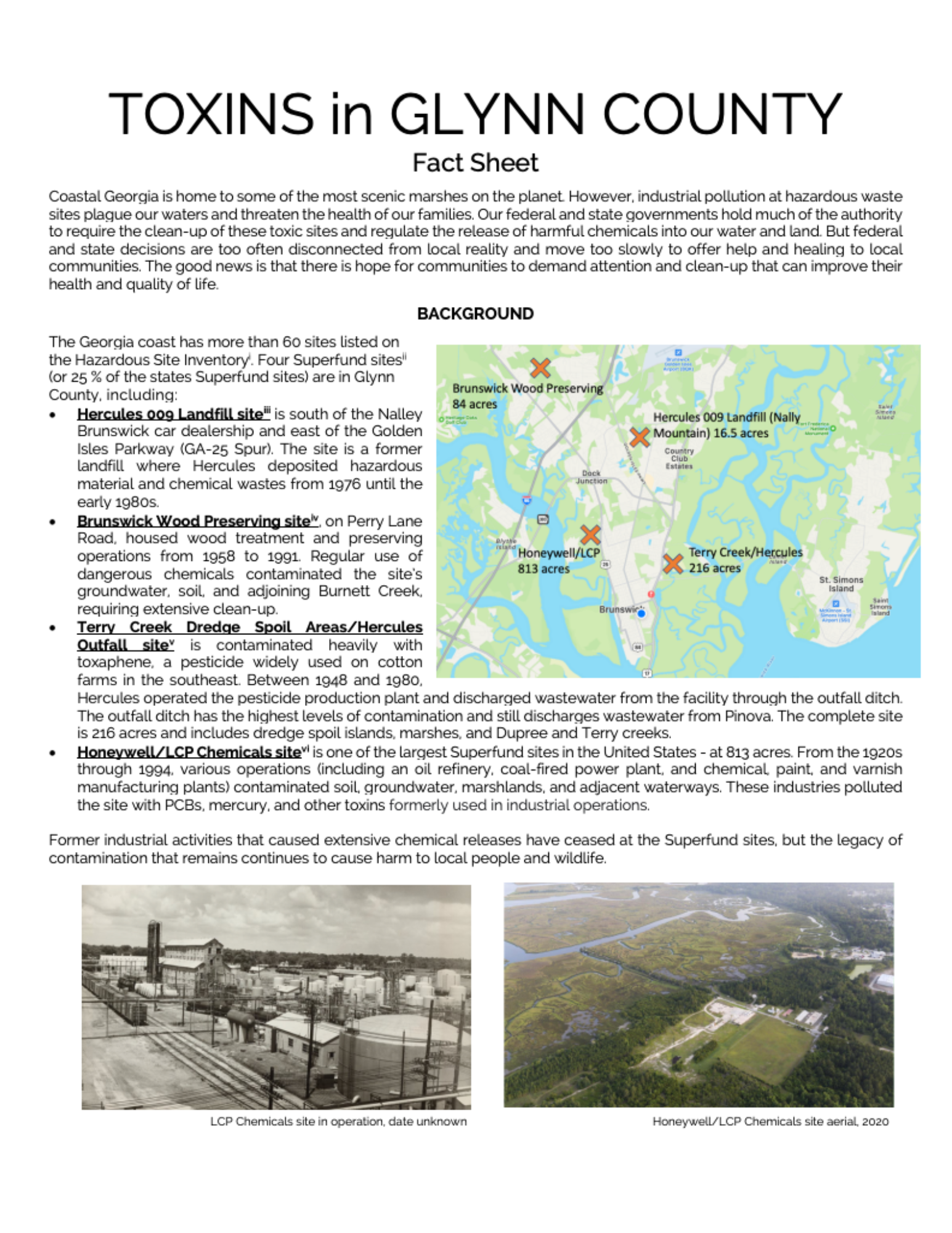
Know your superfund sites
While both the Honeywell-LCP and Pinova Hercules/Terry Creek Superfund Sites present similar threats to the community, different tactics and information are needed to fight effectively.
Hercules Superfund site
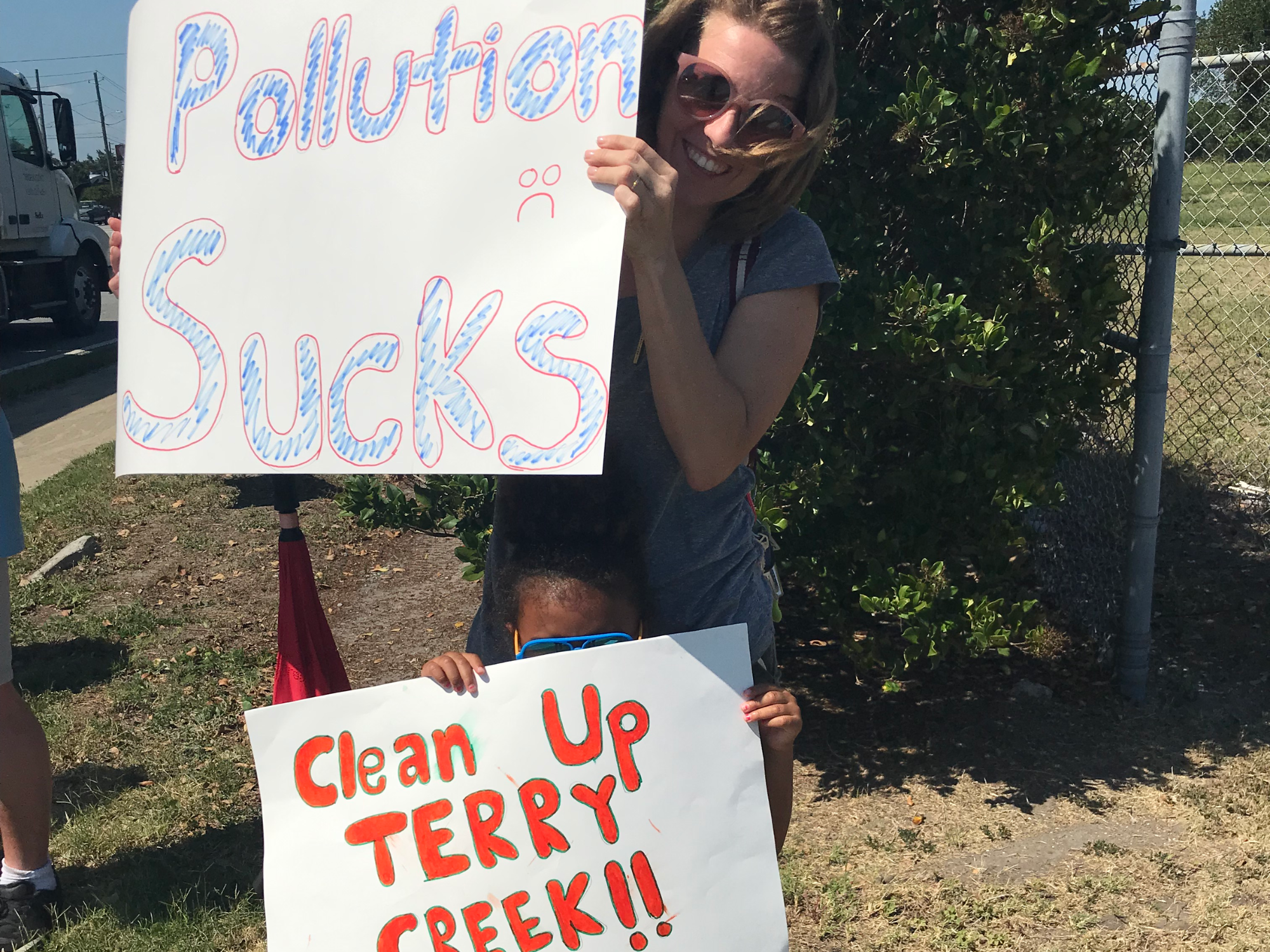
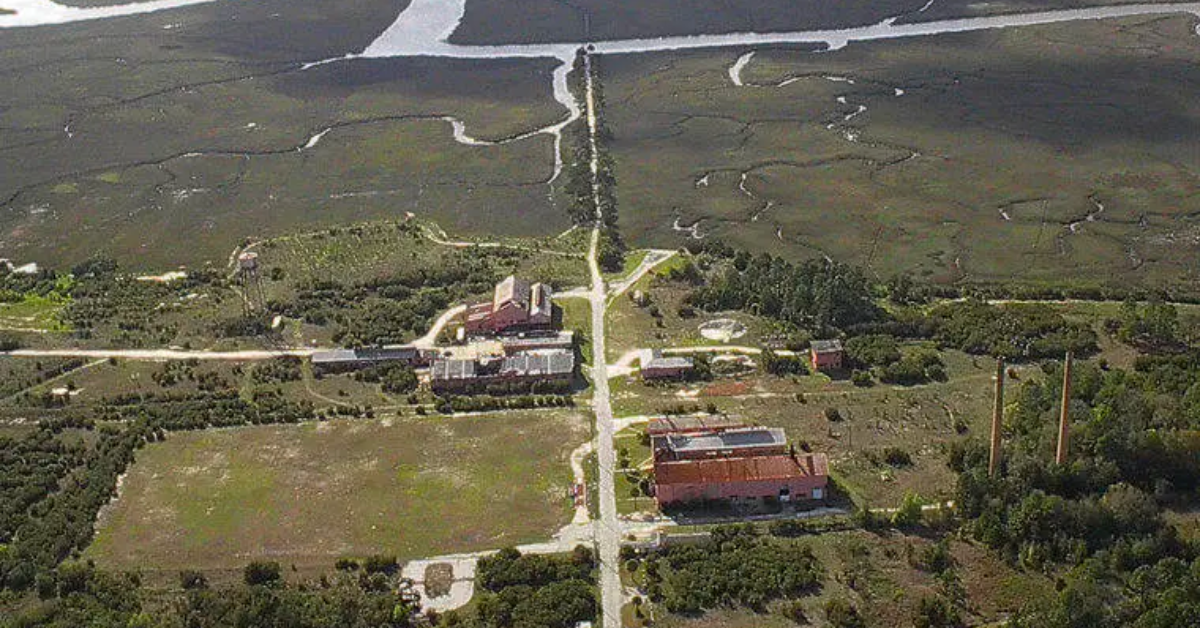
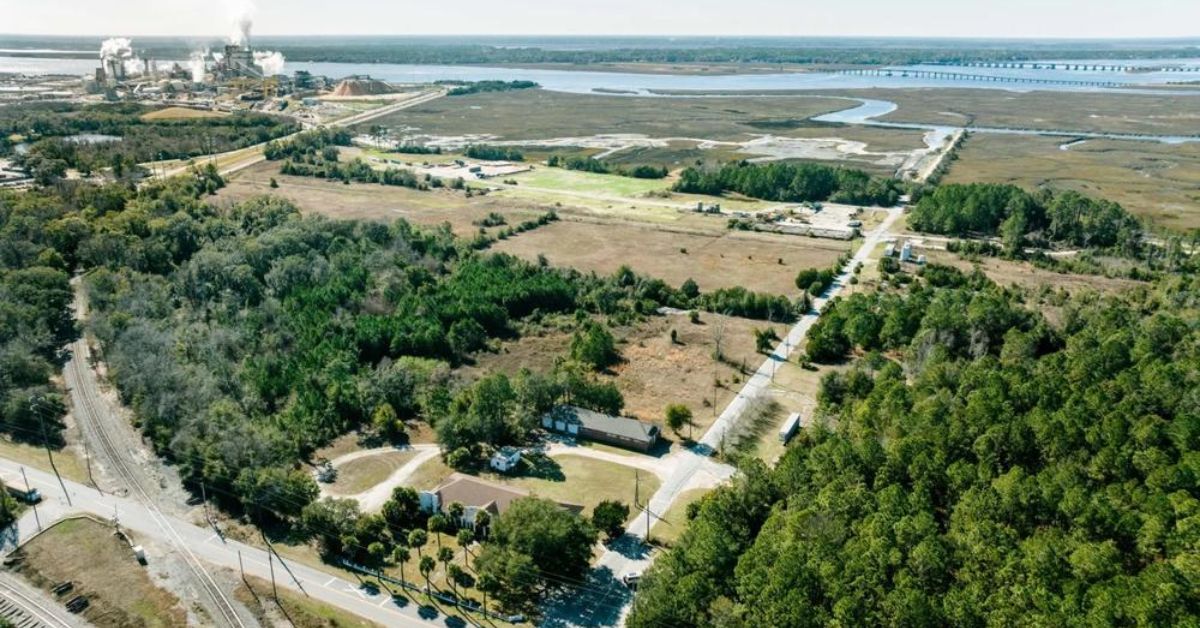
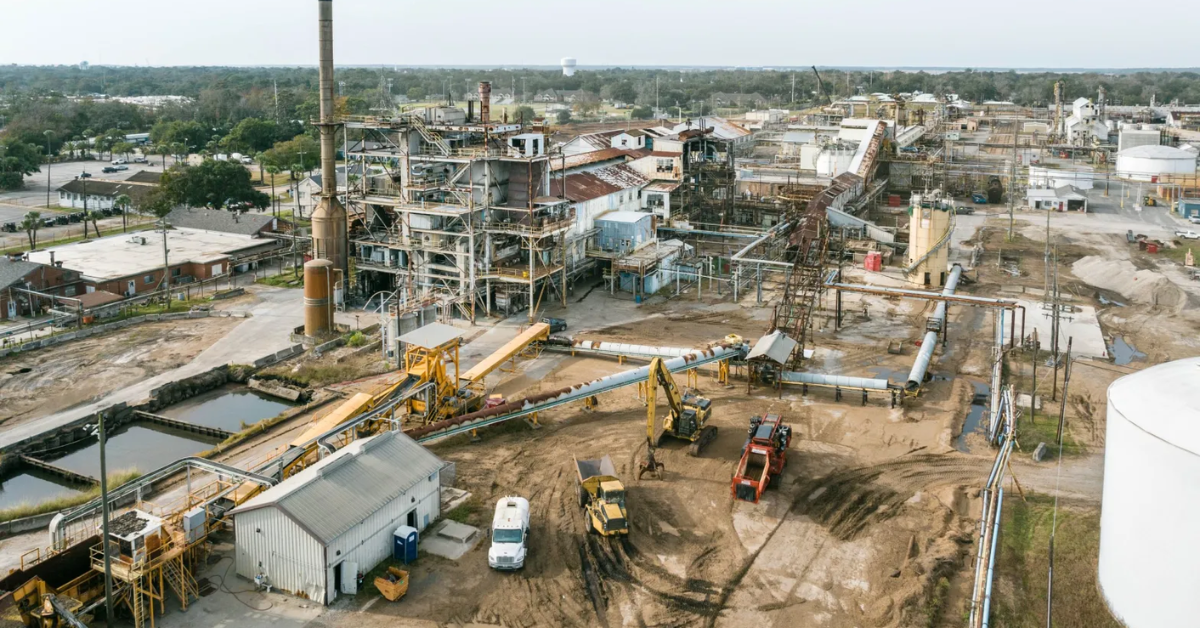
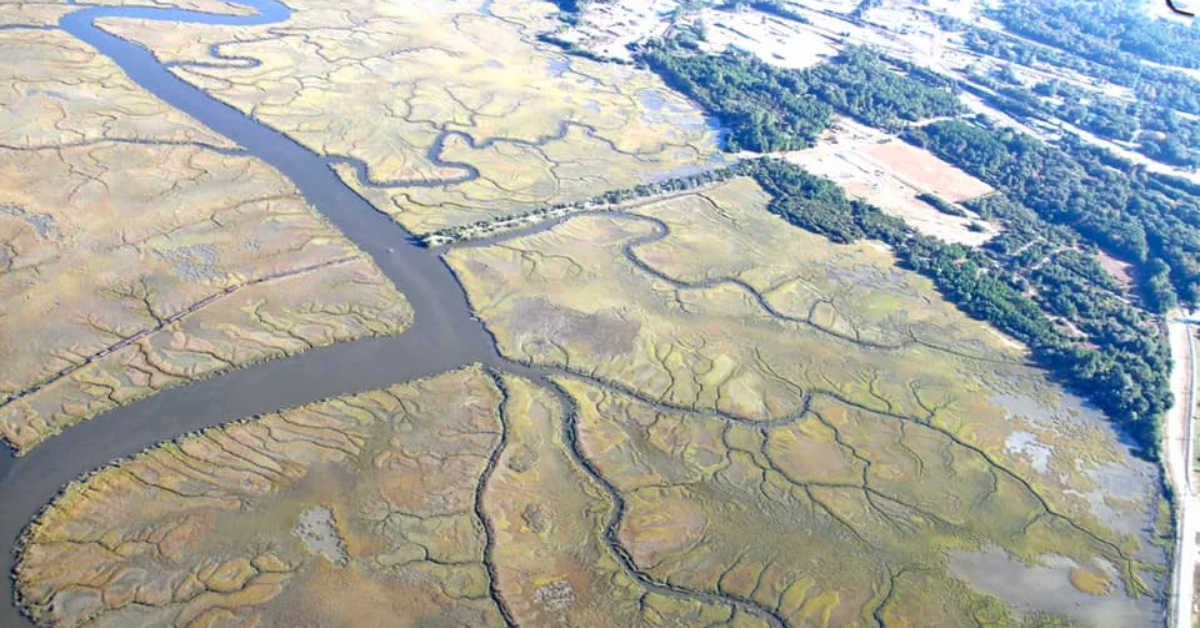
Hercules operated an industrial plant in Brunswick from 1911 until 2010, when Pinova purchased the plant. For nearly 80 years, Hercules created a pesticide known as toxaphene. It was eventually banned due to the harm it causes to the environment and humans. The 216-acre former industrial site, including the marsh and creeks accepting wastewater from the site, was declared a Superfund site in 1997.
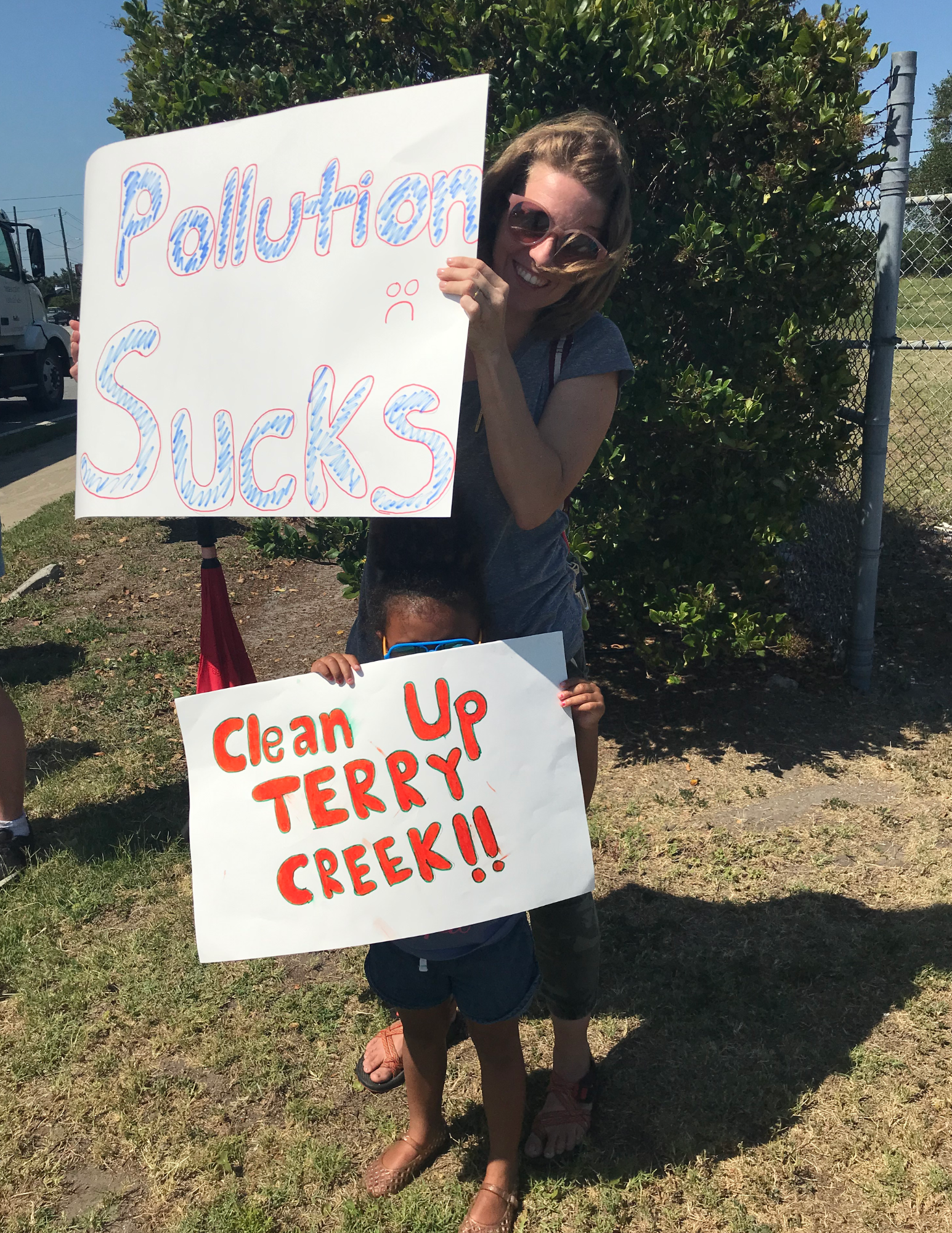
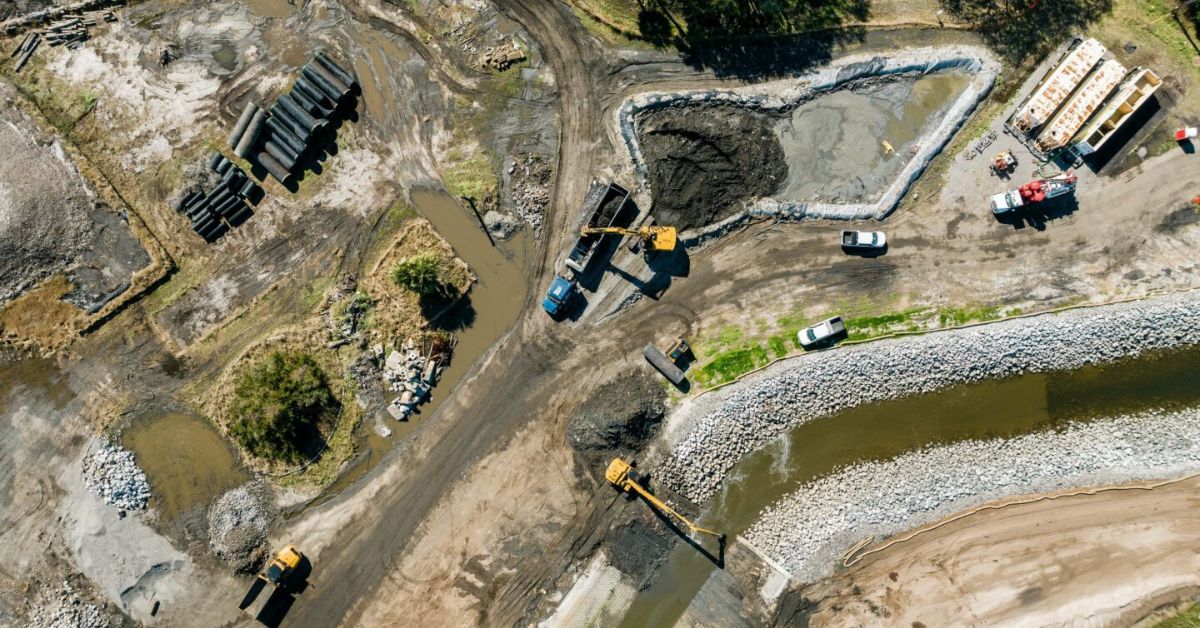
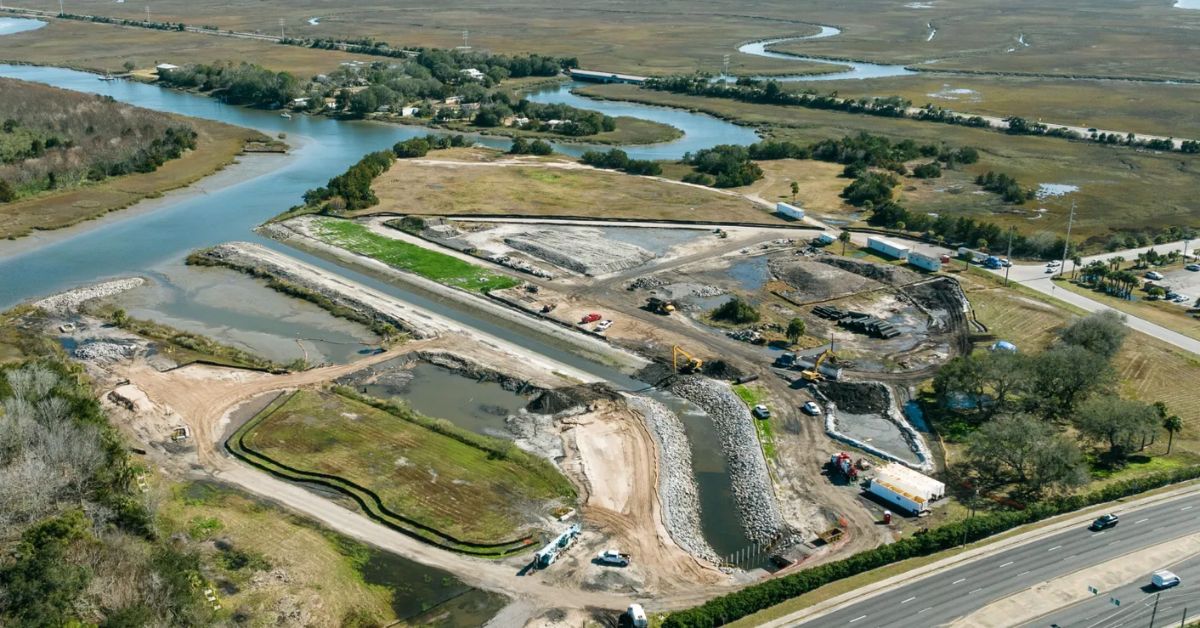
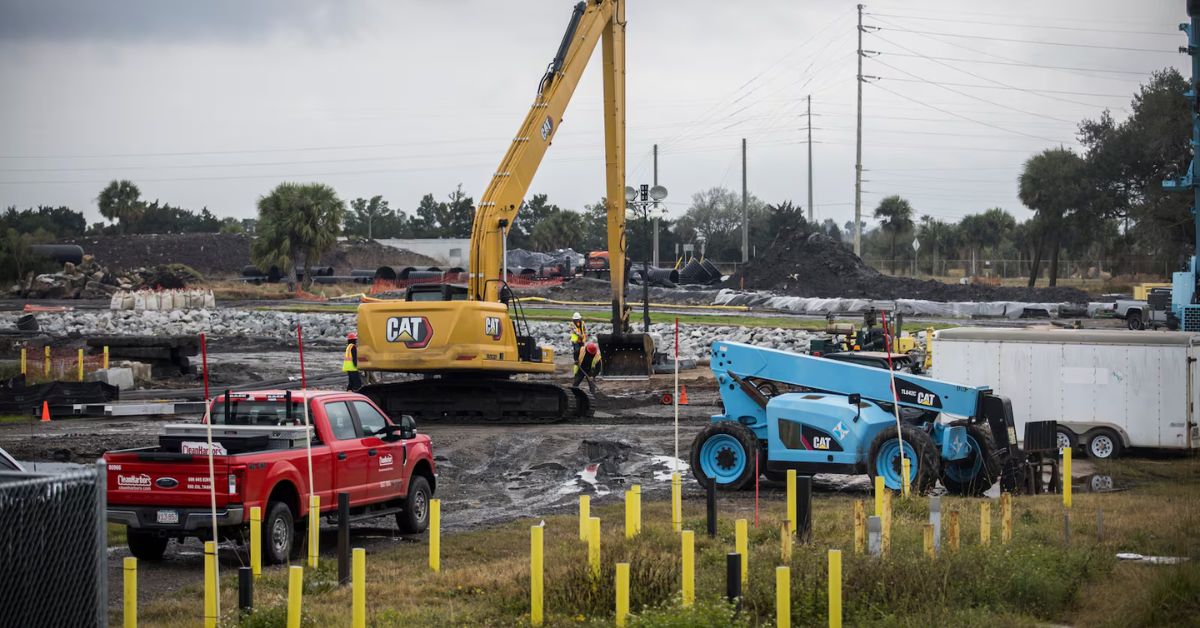
Only a small 2.5-acre area known as the Terry Creek outfall ditch has been remediated. Unfortunately, the remediation did not meet the standards clearly articulated by the community. The approved plan just rerouted the outfall ditch and left an open ditch exposing wildlife and people to toxins and not able to be redeveloped.
Heavy traces of toxaphene and other pollutants remain present in the remaining 213 acres of creeks, marsh, and hammocks.
OHM and our partners are asking the U.S. Environmental Protection Agency (EPA) to finalize the remediation of the outfall ditch; evaluate remediation options for the remaining 213 acres of the superfund site; and hold Hercules accountable for cleaning up the remaining harmful toxaphene in Brunswick’s environment.
Pinova (Hercules) Fire & Future Reuse
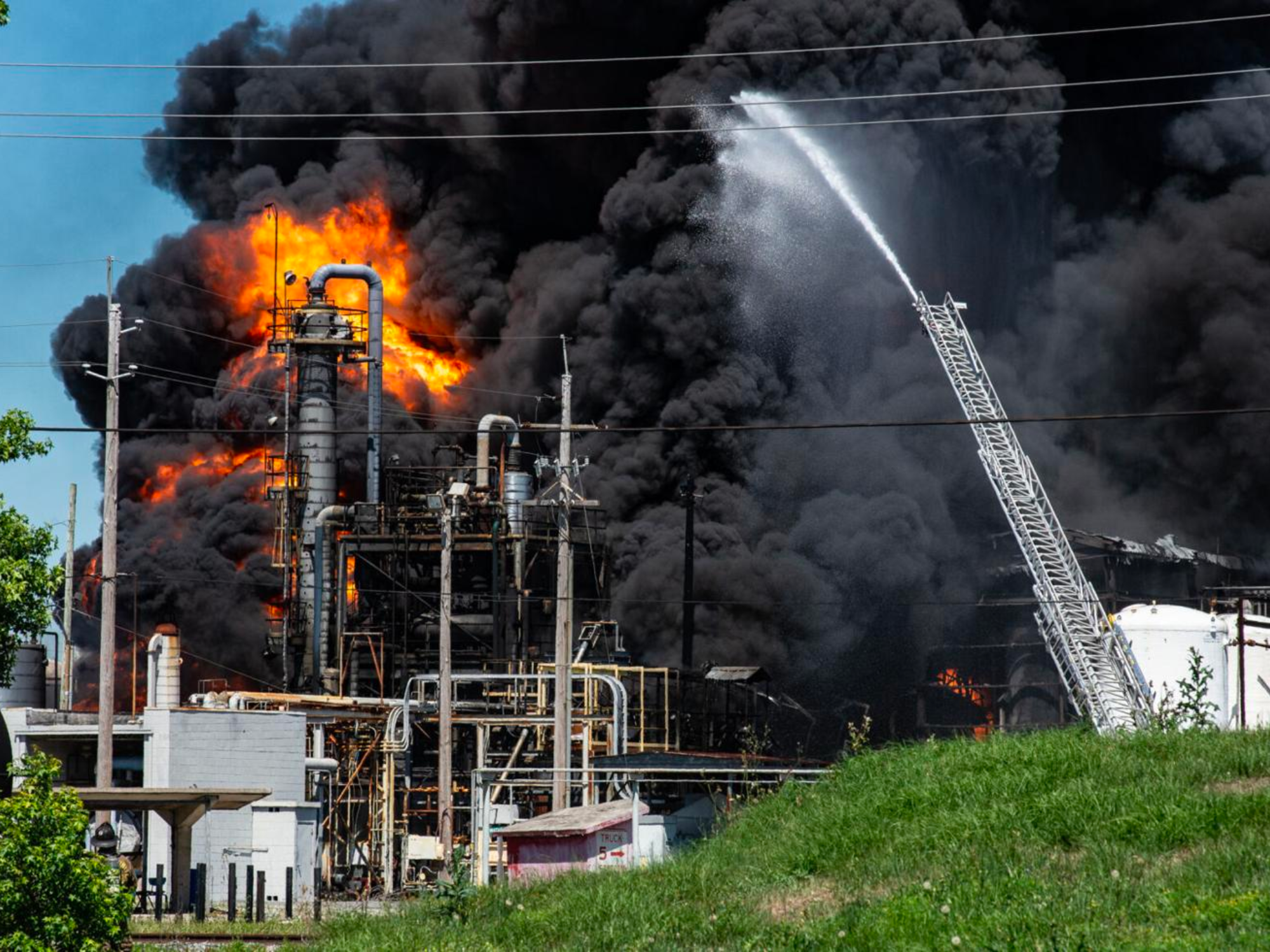
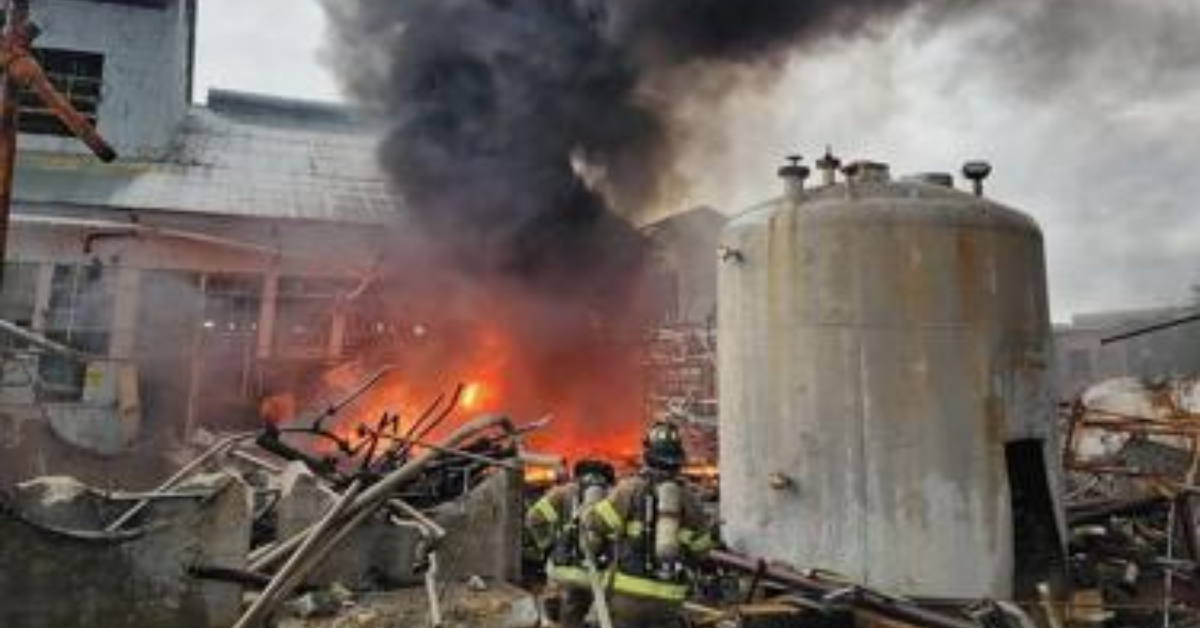
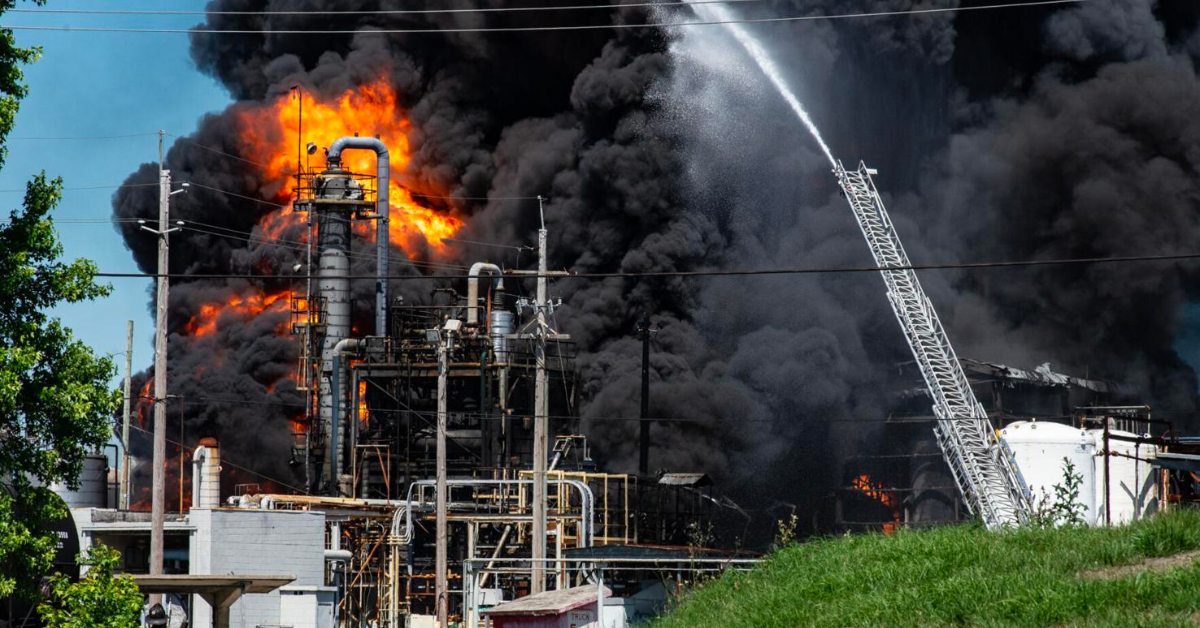
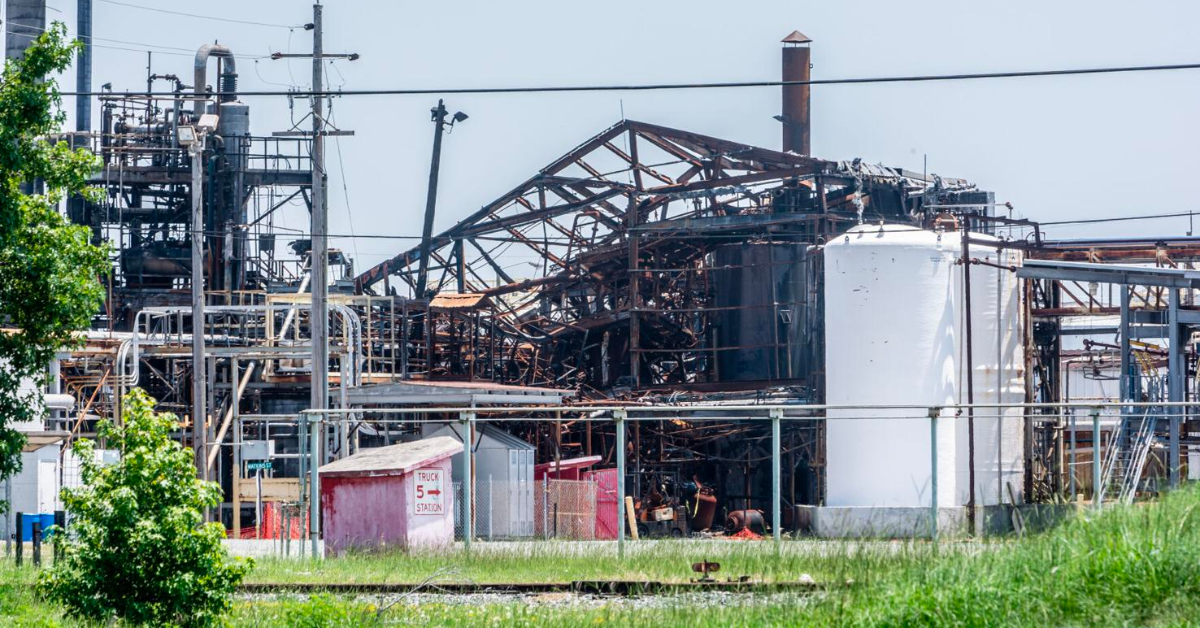
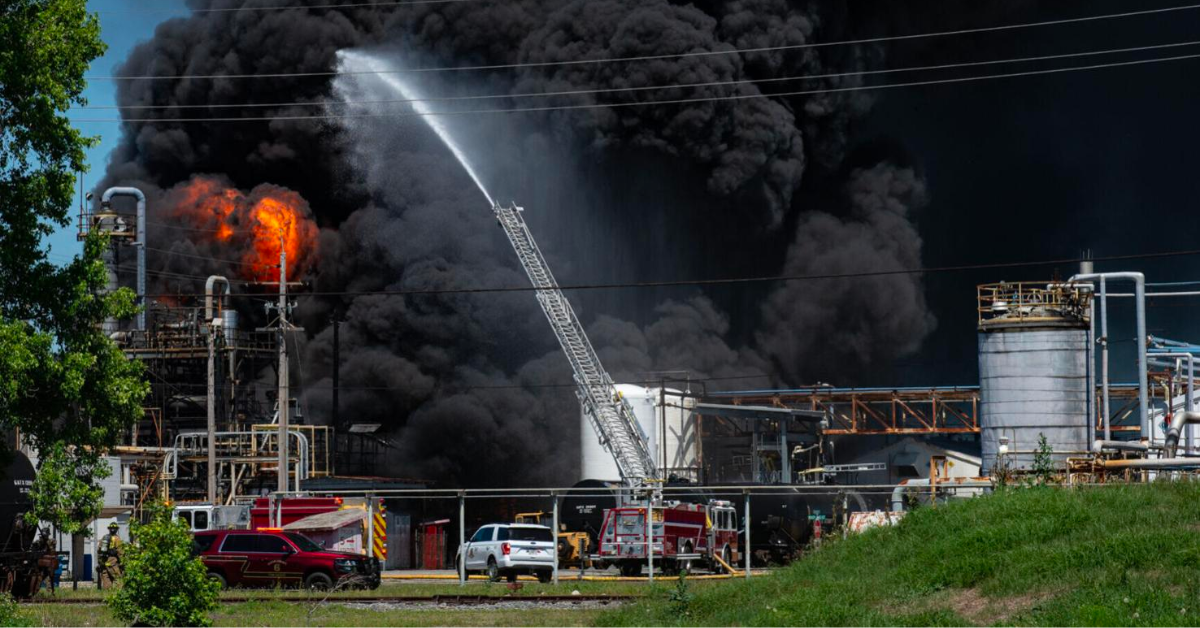
In April 2023, a fire erupted at the Pinova plant in downtown Brunswick threatening the health of workers and surrounding residents. The fire erupted at the plant’s terpene facility and burned highly flammable alpha-pinene, a byproduct of the processes the plant used to produce its products. In June that year, the company announced it would not reopen the plant. (Read this article from The Brunswick News.)
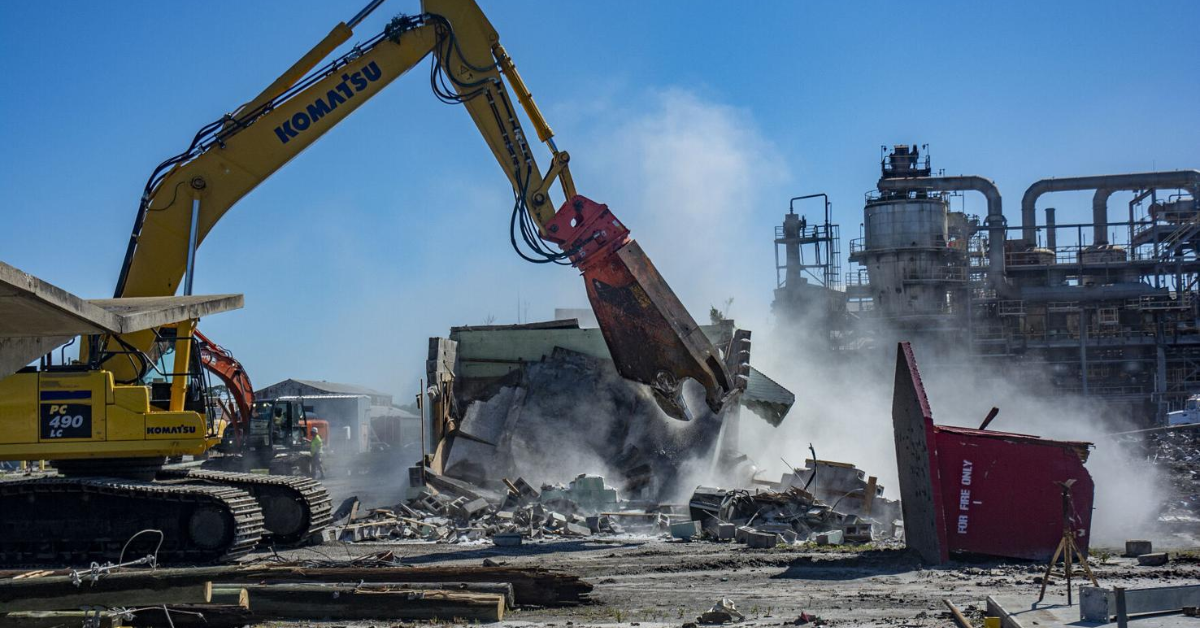
The demolition and decommissioning process drew many questions around the process and repeated calls for community involvement, transparency, and additional information. Residents continue to wonder about the site’s health implications, especially if the site is to be redeveloped.
A collective letter from One Hundred Miles, Community First Planning Commission, Glynn Environmental Coalition, Environmental Justice Advisory Board, Environmental Safety Collaboration, and Altamaha Riverkeeper, written to Georgia EPD and US EPA says: “For decades we have collectively worked with community members and elected officials suffering from the legacy contamination resulting from the former Hercules plant and recently closed Pinova plant. We write this letter to share our story and to request assistance, clarity, and stringent oversight in the regulatory process and required reporting related to the closing of the Brunswick Hercules/Pinova plant.”
Read the full letter here. As of July 15, 2024, the letter remains unanswered.
Honeywell-LCP Superfund Site
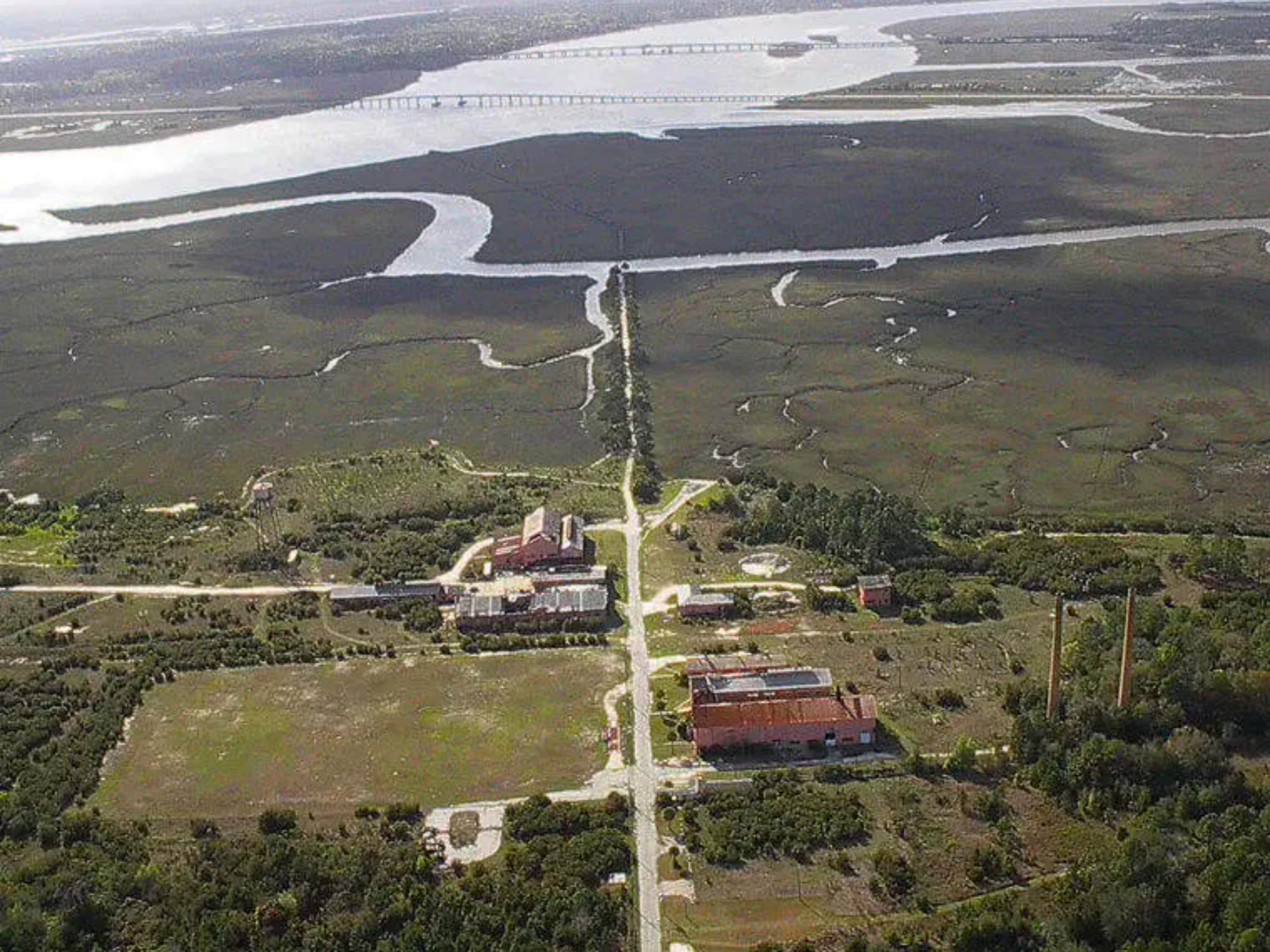
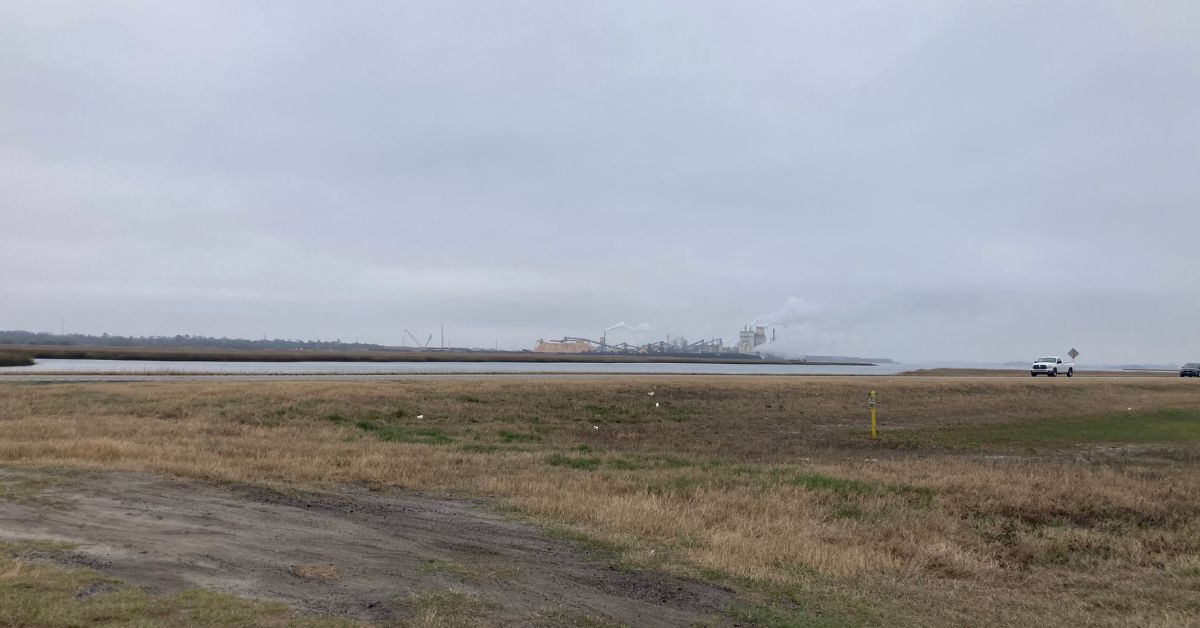
Honeywell owns the property now known as the LCP Superfund Site in Brunswick. At over 800 acres, it is one of the country’s largest Superfund areas and the U.S Environmental Protection Agency (EPA) oversees the remediation of the contaminated areas.
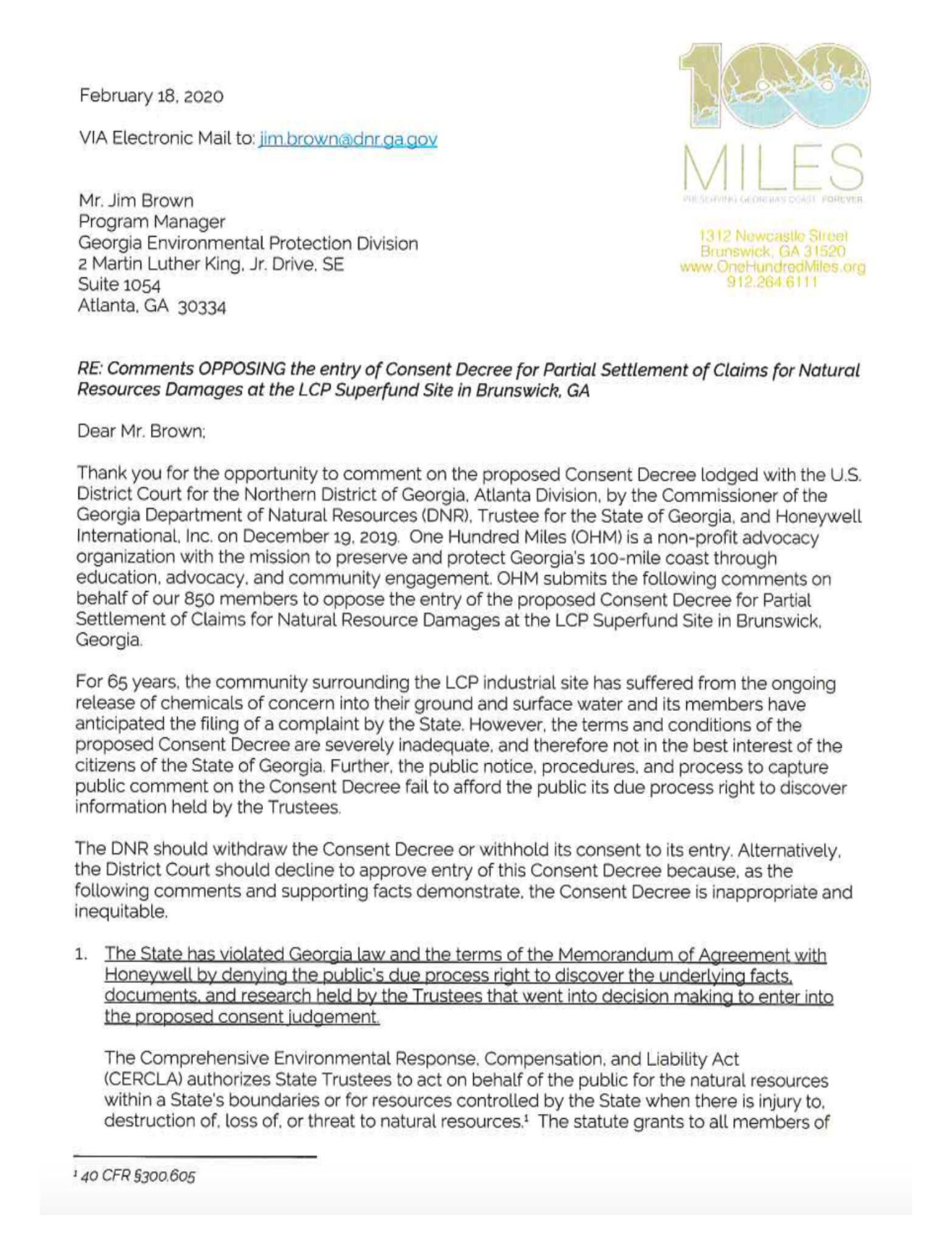
Though remediation of the Honeywell-LCP site has been underway for years, the process is complicated and the remaining contaminants are difficult to remove. The good news is that remediation efforts for most of the site have been finalized. The not-so-good news is that many past efforts to clean up the site have been inadequate and led to litigation to ensure the environment is cleaned up. Learn more.
EPA’s finalization of the marsh remediation grants the Trustees the freedom to pursue a natural resources damages claim based on the Trustees’ collective research conducted since the plant was closed in 1996. The U.S. National Oceanic and Atmospheric Administration, the U.S. Fish & Wildlife Service, and Georgia Department of Natural Resources are the Trustees representing the public resources and citizens of Georgia today.
We are asking these Trustees to assess the natural resource damages and file a claim to help Glynn County residents effectively address the challenges caused by legacy contamination. Any settlement negotiations should aim for a reasonable amount to cover 30 years of previous injury and lost natural resource use. It should also cover the future lost recreational opportunities and continued suffering from contamination.
Additional Resources
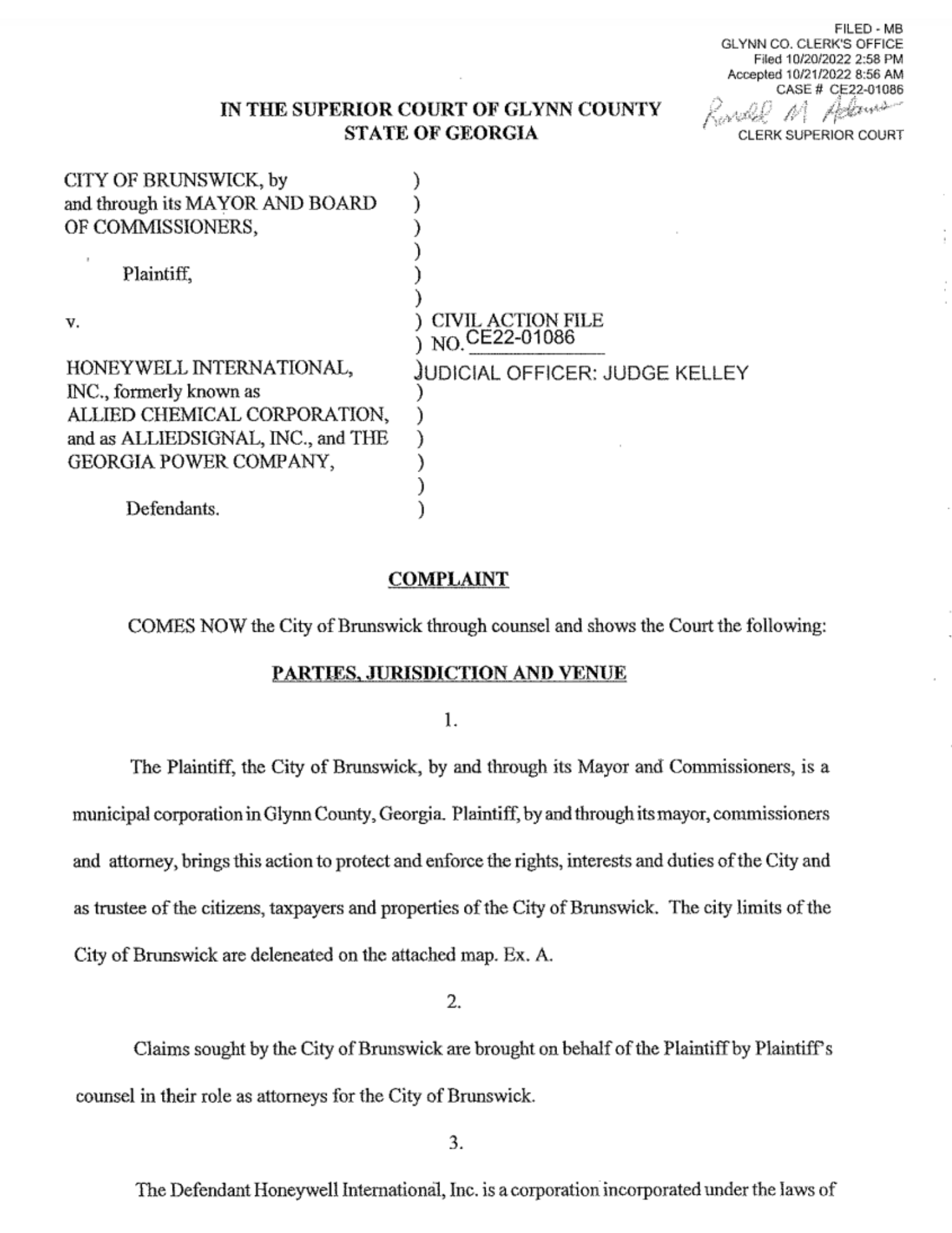
Take a deeper dive into these issues and be equipped to take action. Click the images to find factsheets, studies, OHM comment letters, and more.
Healthy Coastal Neighborhoods
In 2022, OHM joined forces with several other non-profit organizations and the Emory School of Public Health for form what has come to be known as the Healthy Coastal Neighborhoods Coalition. The coalition formed around the pilot study conducted by Emory to study if residents of Brunswick and Glynn County have high levels of harmful chemicals in their blood system. The aggregate results revealed elevated levels of PCBs associated with Aroclor 1268 and the pesticide toxaphene – chemicals known to only be used/produced in former Brunswick plants.
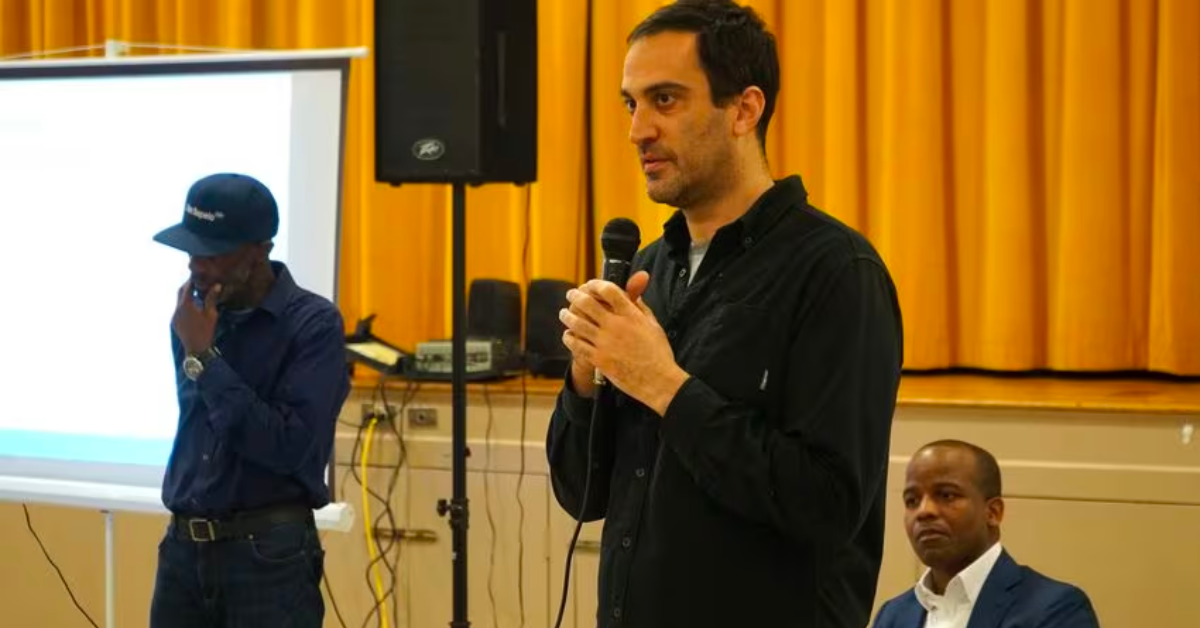
The coalition is working in a multi-faceted way to raise awareness about the impact contamination is having on our environment and our local residents. In particular, we are working to educate fishermen and women on the need to comply with fish consumption advisories and working to engage youth to decrease risk caused by contamination in our environment.
Recent News
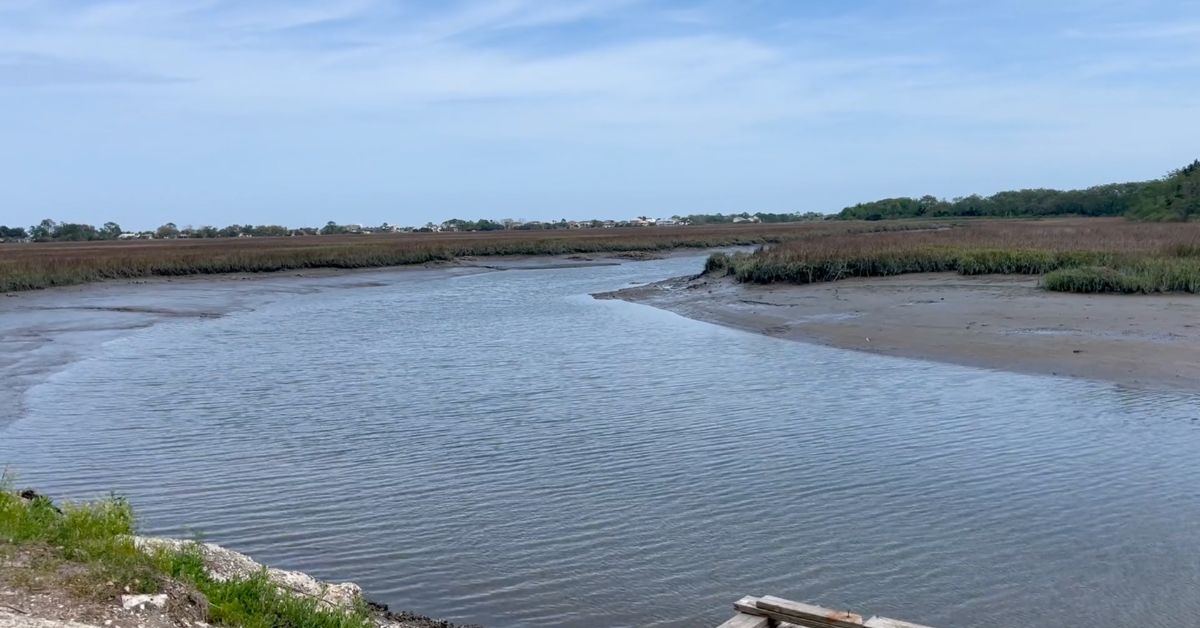
Rollins Magazine | Spring 2026
GPB News | 11/27/25
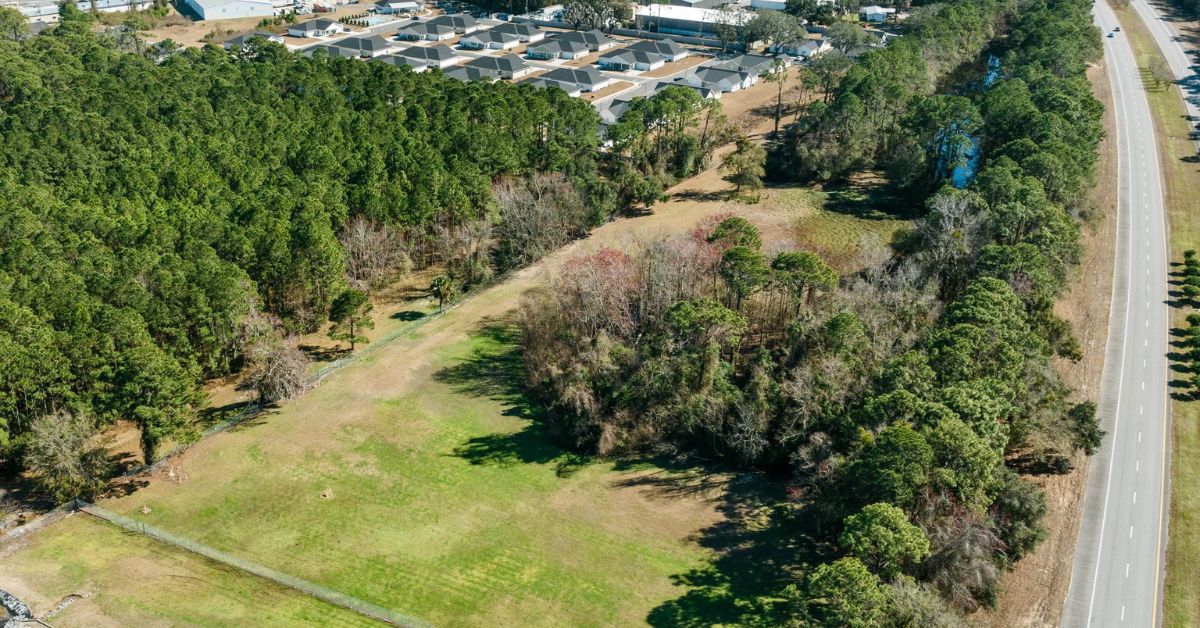
The Current | 10/21/25
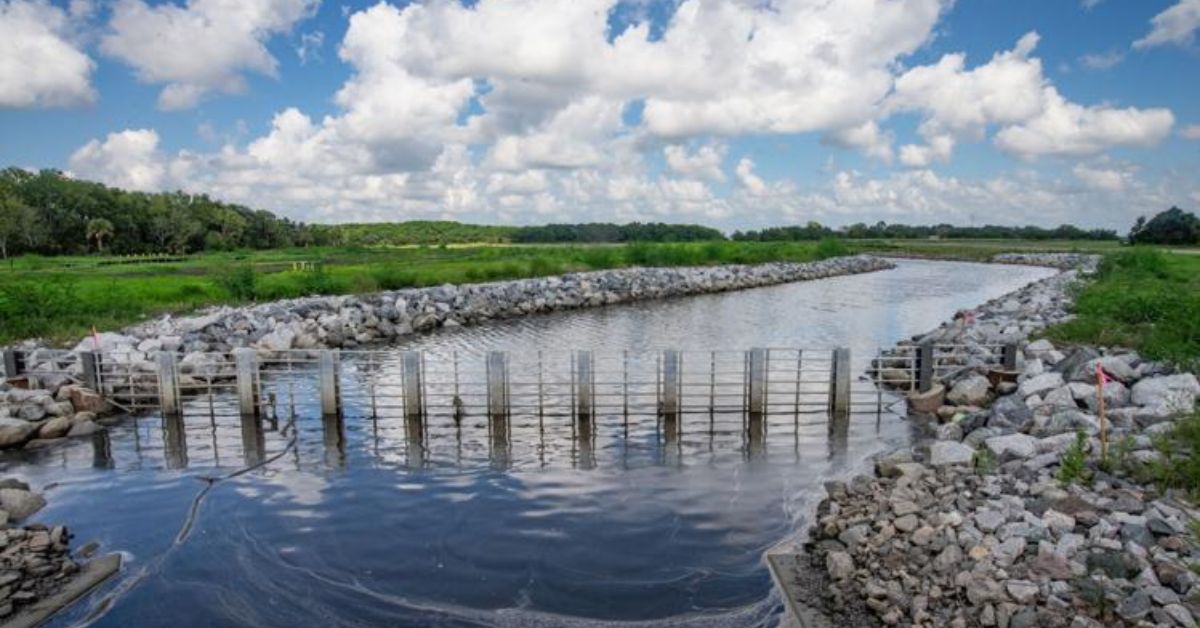
The Brunswick News | 8/23/25
The Brunswick News | 8/19/25
The Brunswick News | 8/18/25
WABE | 7/29/25
NPR | 7/20/25

The Brunswick News | 5/28/25
The Brunswick News | 5/22/25
The Current | 5/20/25
The Current | 5/20/25

The Brunswick News | 4/30/25
GPB | 4/30/25
Atlanta Journal-Constitution | 4/29/25
The Brunswick News | 4/4/25
The Brunswick News | 3/20/25
The Brunswick News | 1/3/25

Rollins School of Public Health News | 11/19/24
The Brunswick News | 7/5/24
The Brunswick News | 4/22/24
The Brunswick News | 4/22/24
The Brunswick News | 3/30/24
The Brunswick News | 3/30/24
The Current | 4/21/24
WSAV 3 | 1/26/24
The Brunswick News | 1/18/24
The Brunswick News | 1/18/24
Atlanta Journal-Constitution | 1/17/24
Brunswick News | 1/13/24
Brunswick News | 1/11/24
The Brunswick News | 12/20/23

The Brunswick News | 10/31/23
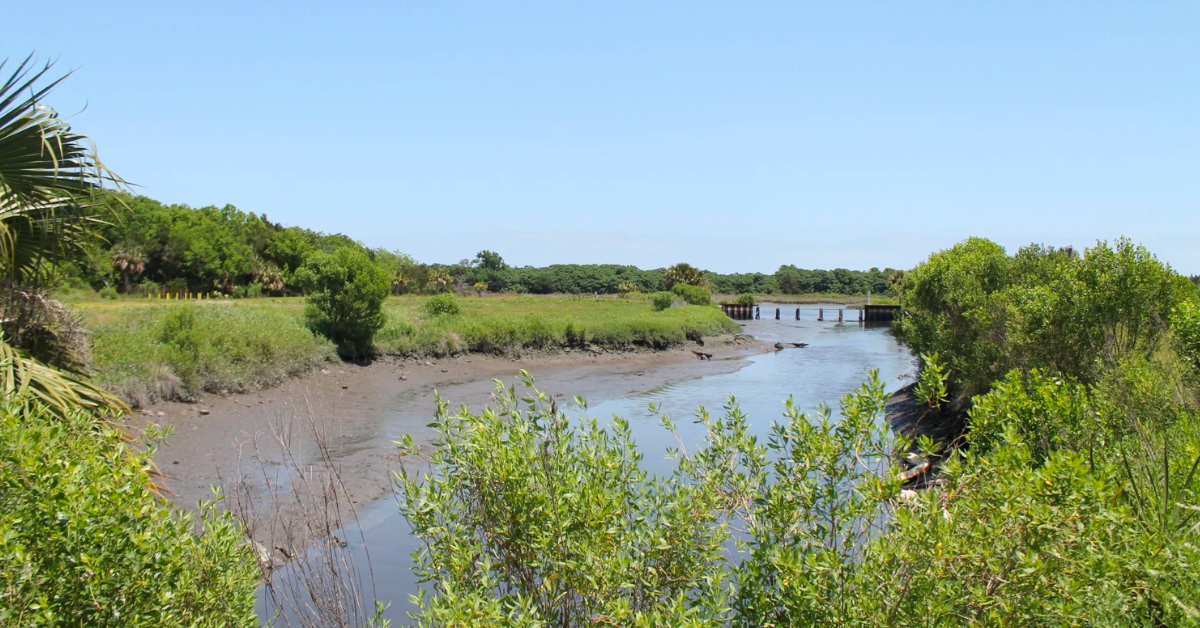
The Brunswick News | 9/29/23
The Brunswick News | 9/26/23
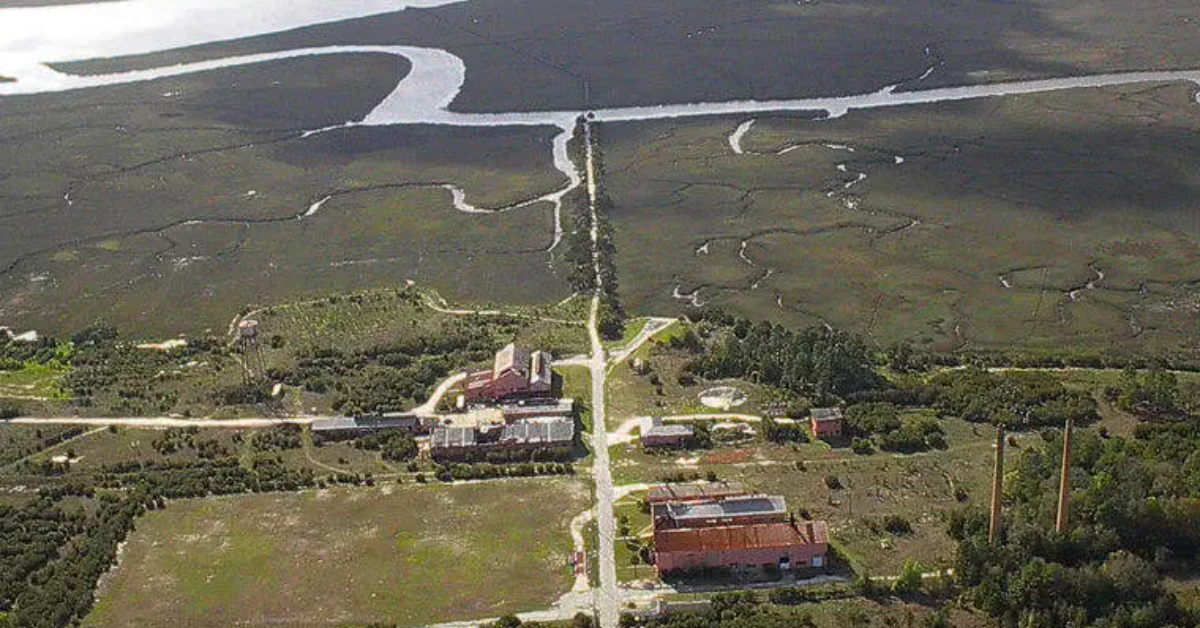
The Brunswick News | 9/23/23
The Current (Coast Watch) | 9/20/23
The Brunswick News | 6/28/23
The Brunswick News | 6/9/23
The Brunswick News | 5/18/23
Minorcan Mullet | 4/20/23
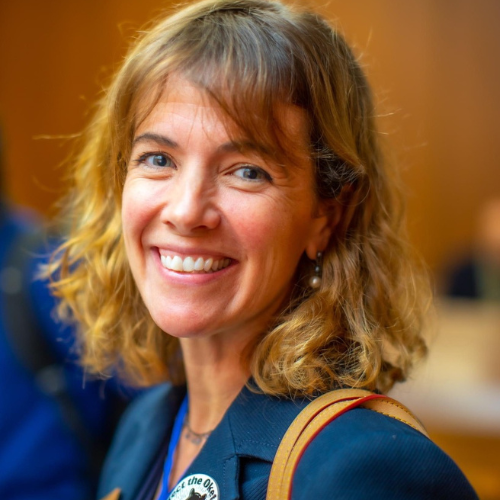
“Local efforts to improve the situation with superfund sites can sometimes seem hopeless. It is precisely those times when it is more important than ever to keep the issue alive in our community.
Contact Alice for more information about our efforts to protect our community from toxic sites.







 Here you see