Clouds on the Ground
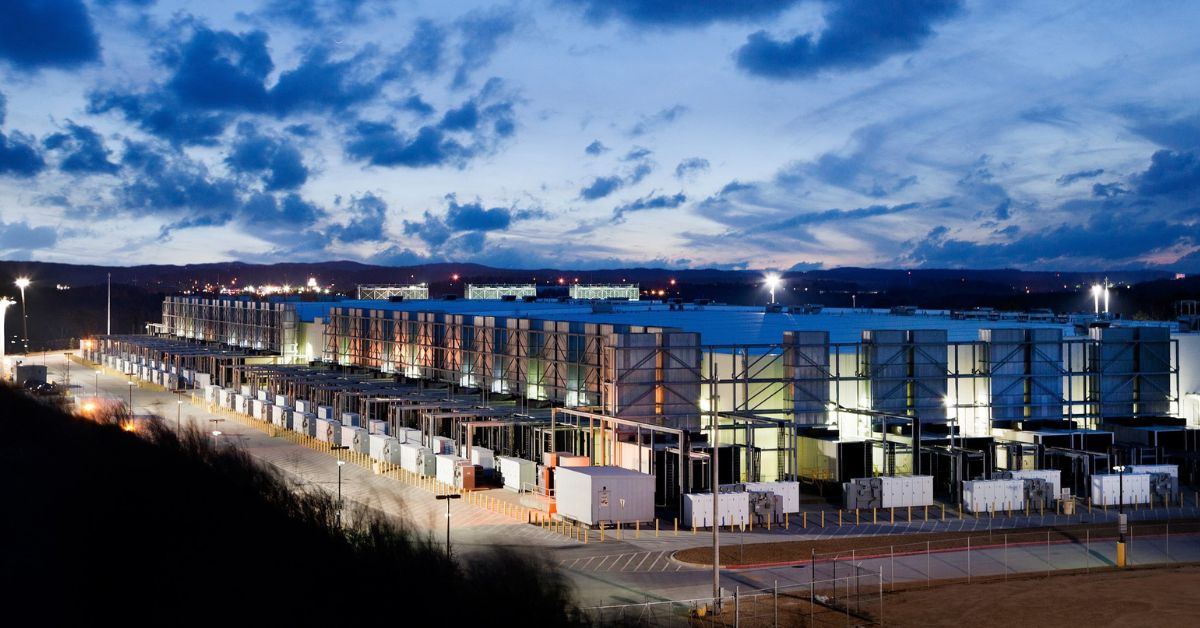
“The cloud” and all our digital content may be out of sight/out of mind, and the images we produce for fun using AI seem inconsequential. But the systems feeding all of these electronic devices have a real (and substantial) impact in the physical world—especially for communities where data centers are moving in. Right now, data centers are gobbling up resources at an alarming rate, often offloading the cost of new infrastructure and increased energy demands onto communities.
There has been an explosion of proposals across the country, including right here on Georgia’s coast. Before our landscape and communities are transformed, we should pause to consider the effects of these data centers and what parameters need to be in place to mitigate their impacts.
Massive Energy Demand
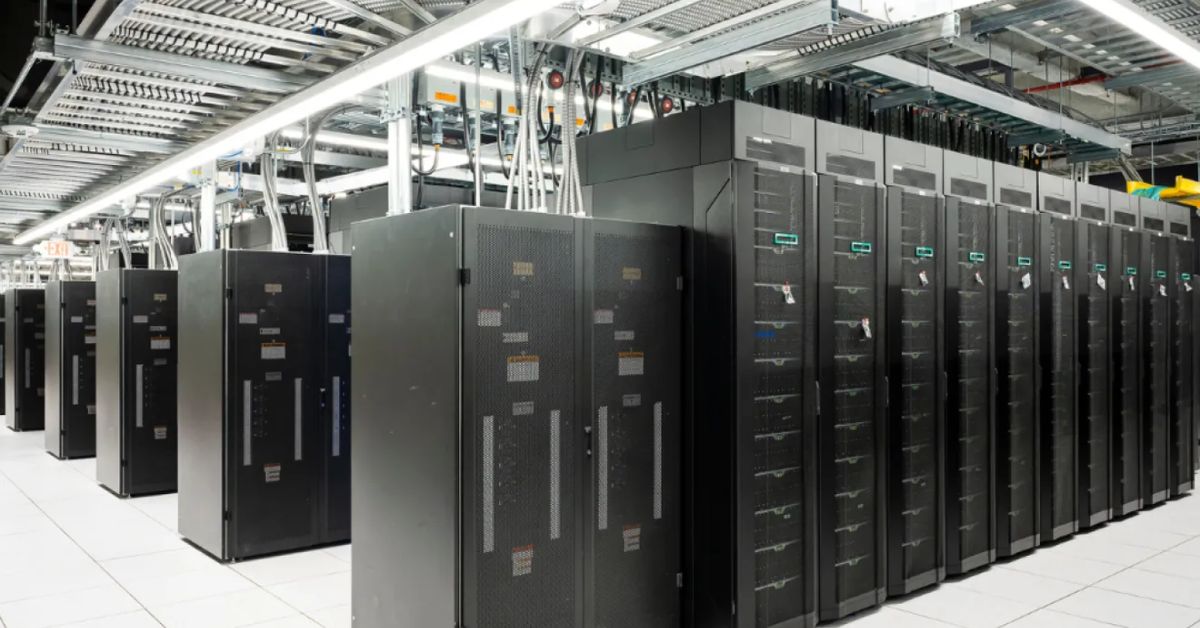
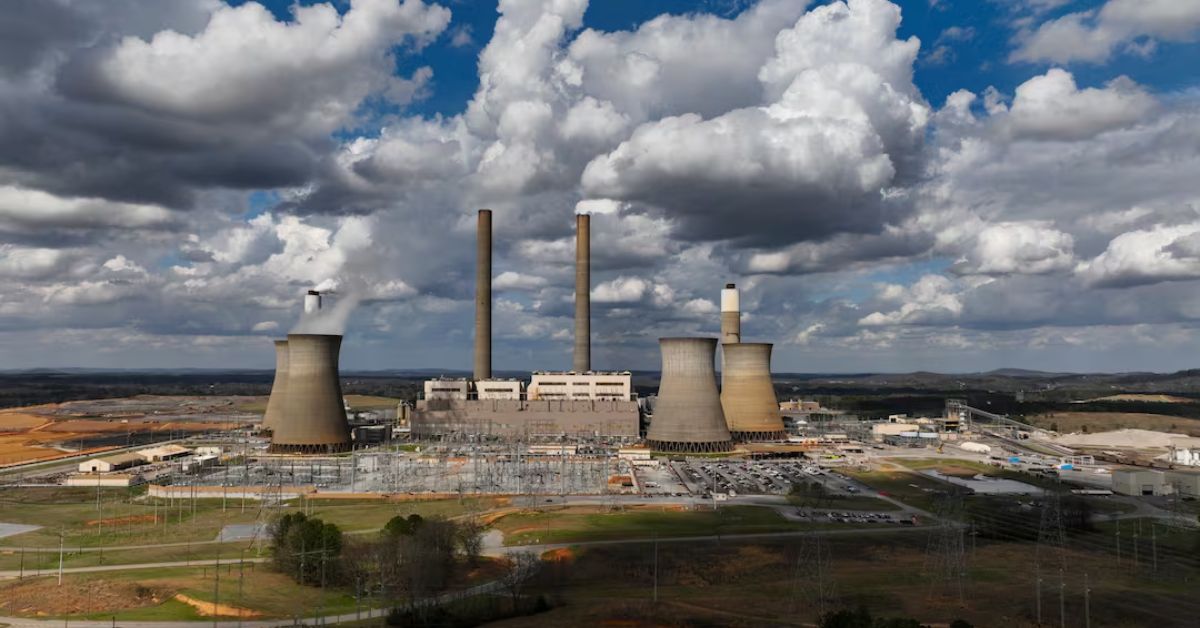
A single large data center can use over 100 megawatts (MW) of electricity—enough to power around 80,000 homes, pushing energy companies to justify turning to fossil fuels and even reviving decommissioned coal plants to meet the demand.
High Water Needs
Fresh drinking water is a limited resource on Georgia’s coast. A medium-sized data center can consume up to roughly 110 million gallons of water per year for cooling purposes, equivalent to the annual water usage of approximately 1,000 households. Larger data centers can each use up to 5 million gallons per day, or about 1.8 billion annually—equivalent to a town of 10,000 to 50,000 people. Together, the nation’s 5,426 data centers consume billions of gallons of water annually. While more efficient cooling technologies exist, data center developers are less inclined toward them because they are more expensive to implement.
Large Land Footprint
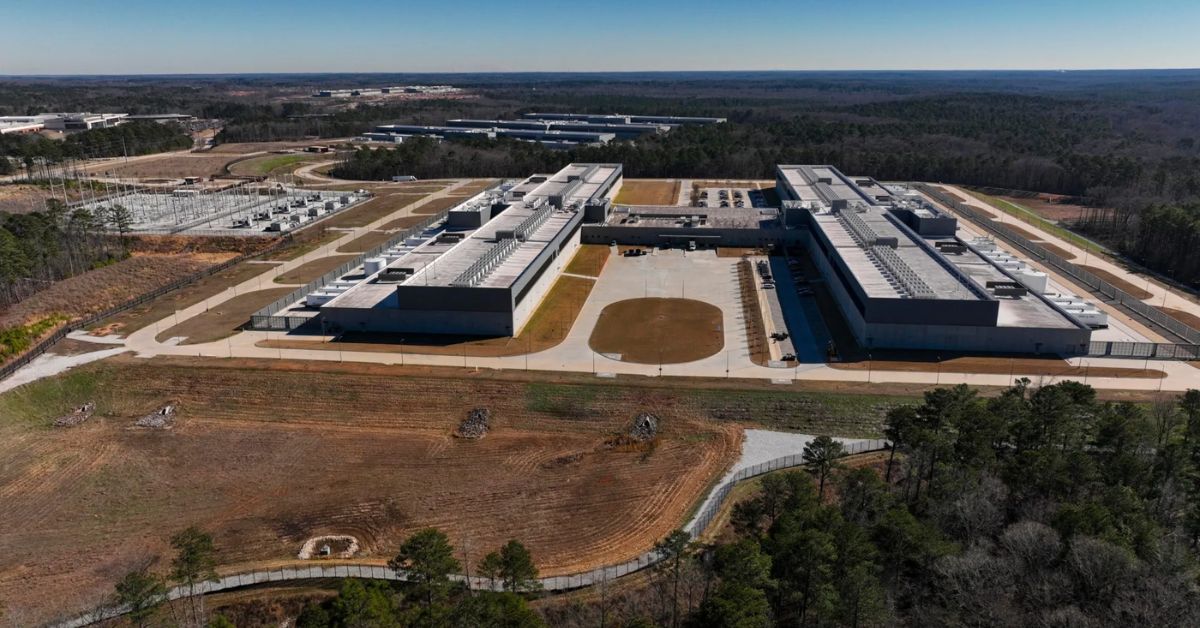
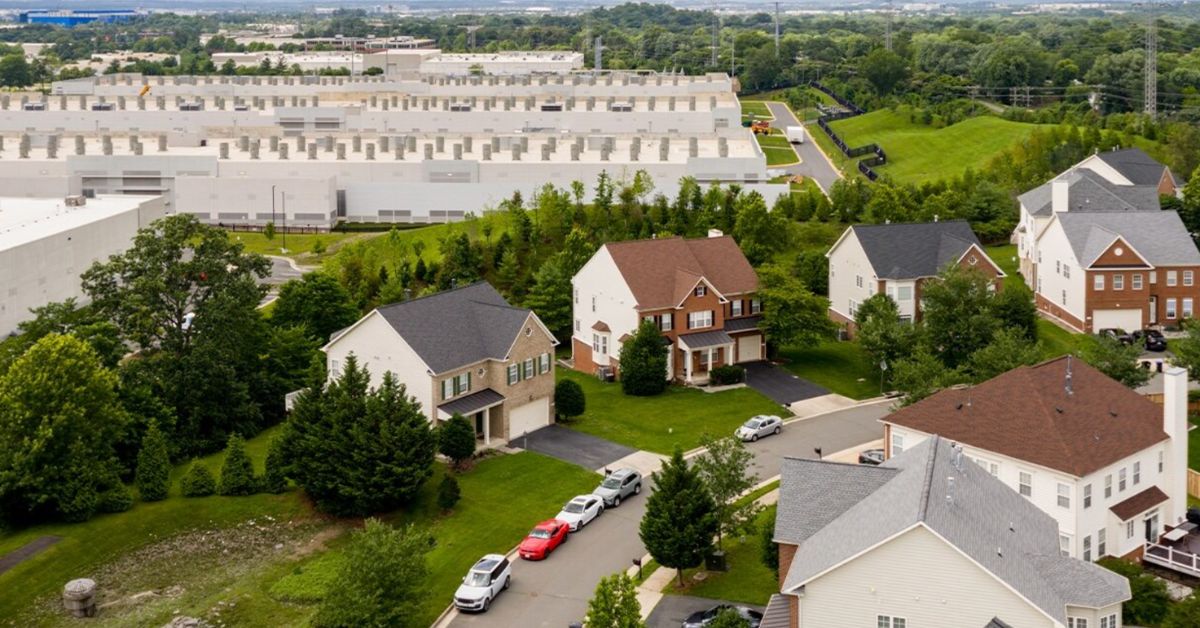
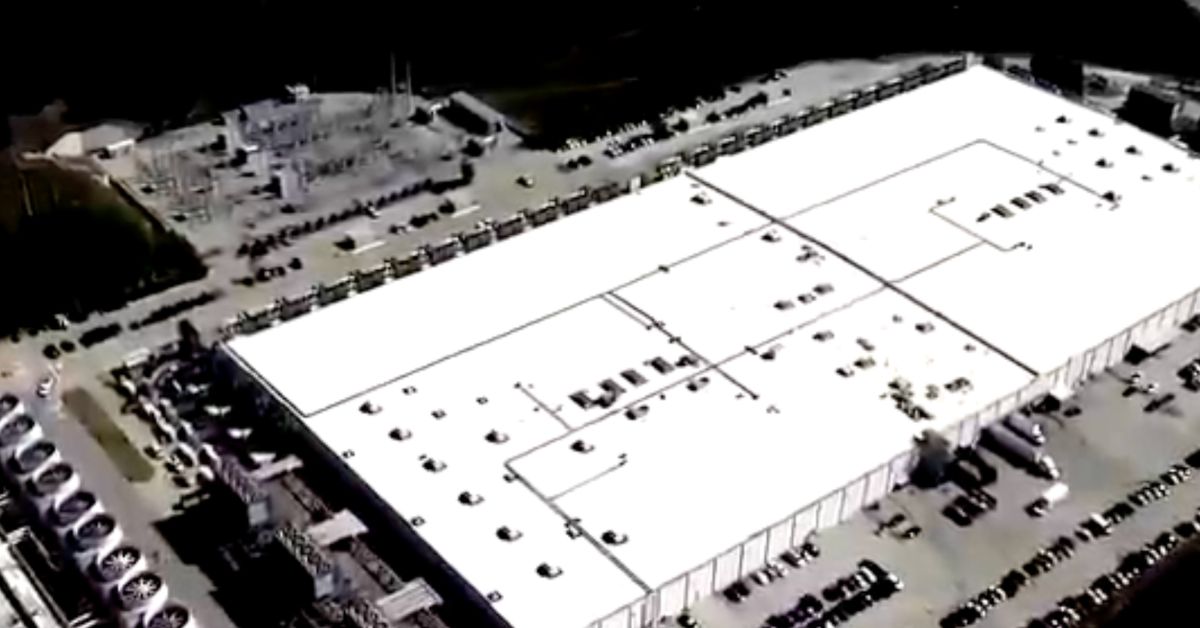
Hyperscale data centers can sprawl across hundreds of thousands or even millions of square feet of space. Some are like campuses, covering hundreds to thousands of acres in buildings and associated infrastructure. These tracts of impervious surface exacerbate flooding issues, remove ecosystems that absorb rainwater, and, when built in or near wetlands, destroy critical habitat.
Noise & Air Quality
Data centers rely on giant air conditioning systems and numerous backup diesel generators. Even when they aren’t needed, the generators are regularly kept on for maintenance and testing, so that the data center can keep its reliability tier. (Essentially: if the power goes out, can everything keep running?). The constant, loud droning of these mechanical systems impacts mental health and contributes to lower air quality for adjacent residents.
Lack of Transparency & Public Input
Data center ordinances are sliding into comprehensive plans and zoning code across the state, often without public input or adequate education for local decision-makers. Tools like community benefit plans ensure that data centers coming to town are good neighbors.
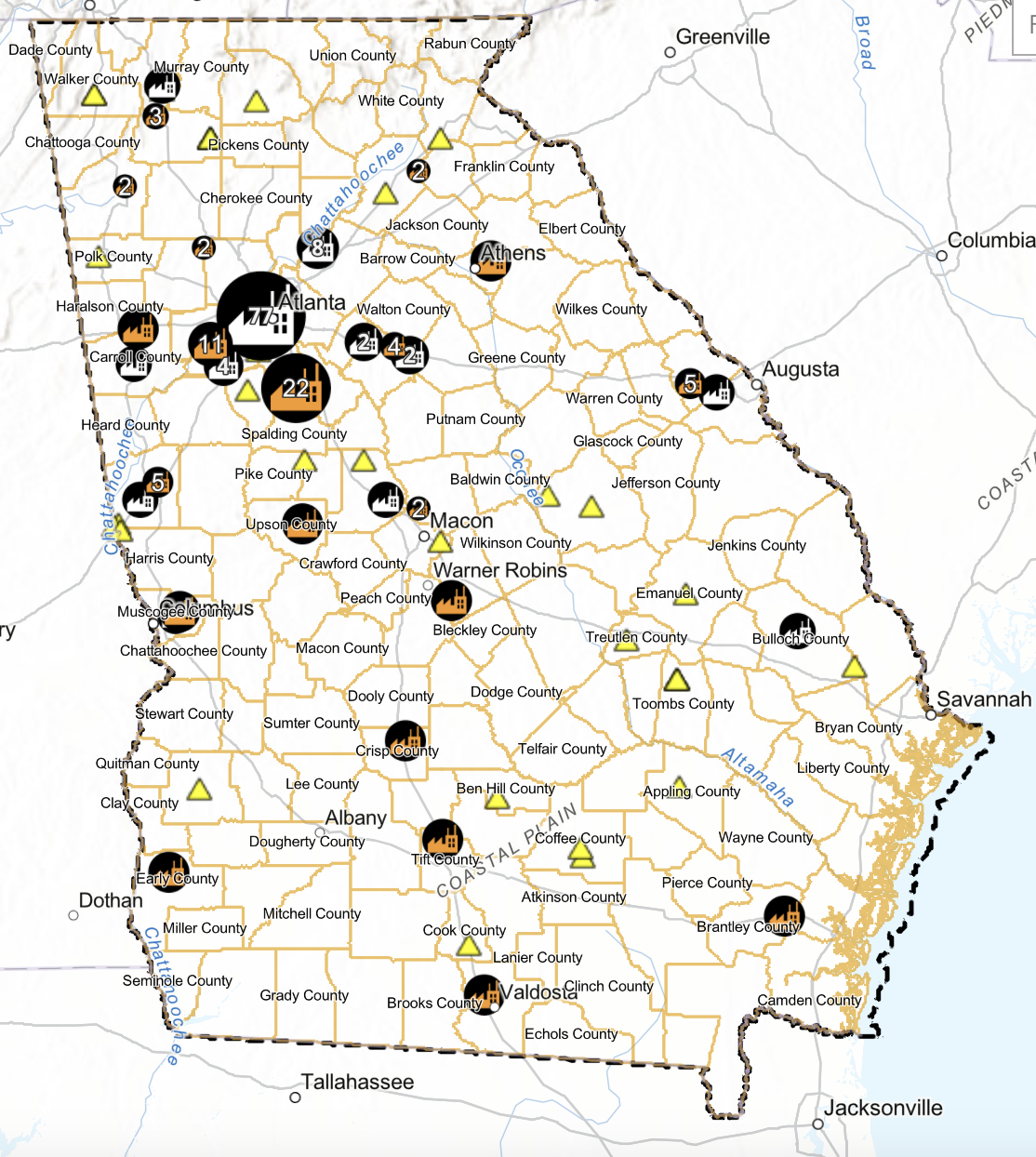
Explore this interactive map showing data centers and crypto mines. From Science for Georgia (March 2026).
What‘s happening on Georgia’s coast?

In the Legislature
Strong laws on the local and state level ensure that data center development doesn’t bulldoze communities and destroy our natural resources. In the 2026 legislative session, several bills focused on or included provisions for data center regulation. We focused on SB 34, a bill that would protect ratepayers by requiring private companies, not the public, to pay the bills to build and operate data centers. We also supported bills that would amend the tax breaks data centers receive, especially after an audit from the Georgia Department of Audits and Accounts revealed that 70% of data centers would have come to Georgia even without the tax breaks.
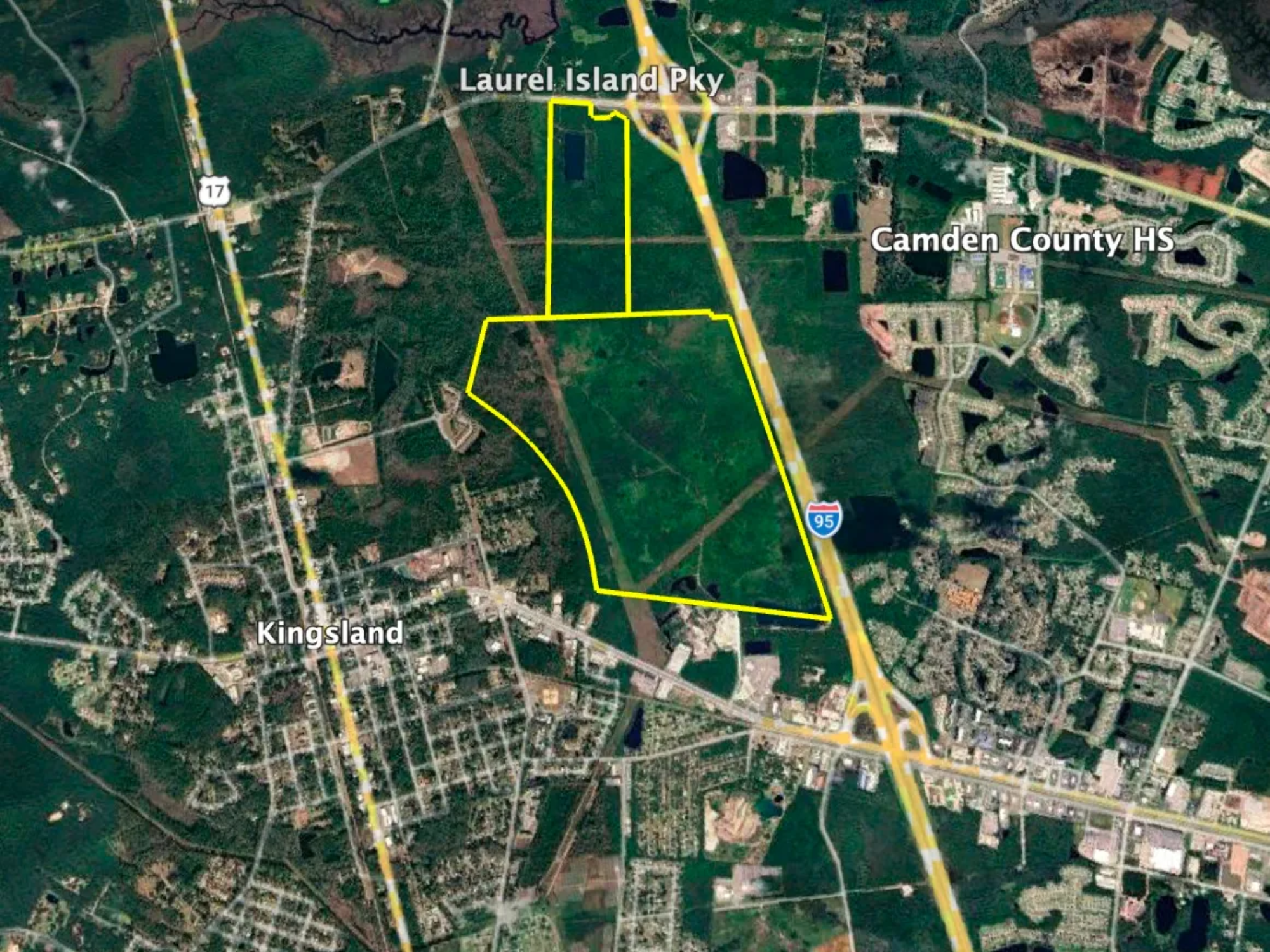
Data centers coming to Kingsland—Not So Fast!
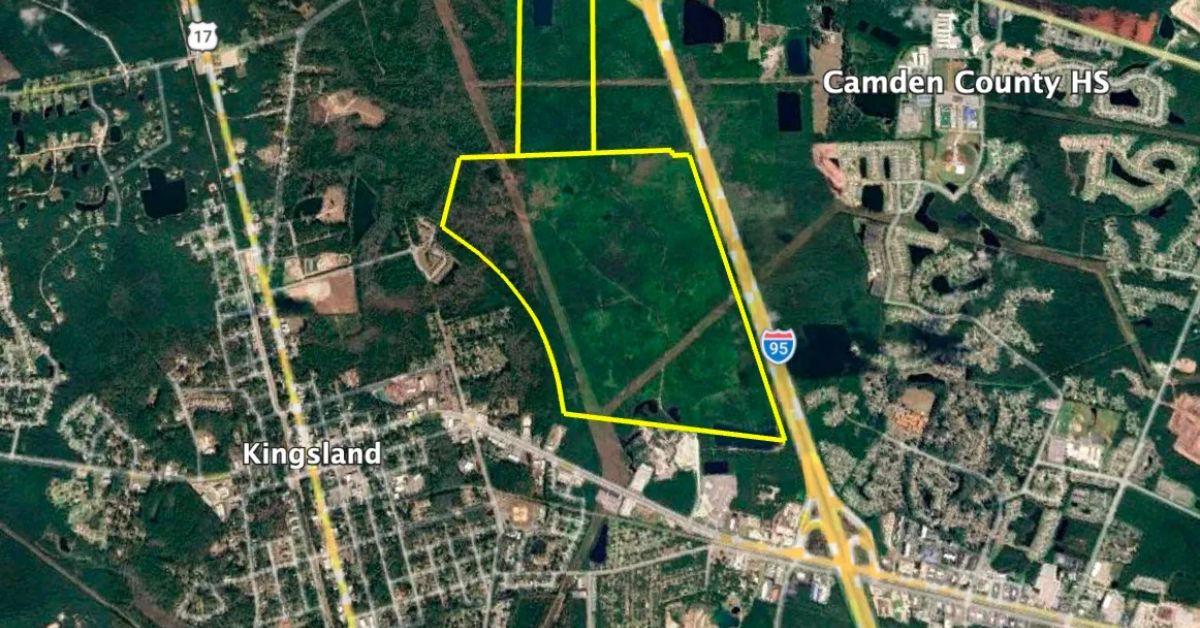
Earlier this year, a Jacksonville businessman sought a permit to rezone nearly 700 acres of Camden County land along Interstate 95 for a proposed industrial park which would allow data centers. In response, OHM and the St. Marys Riverkeeper worked to get the word out, mobilizing residents of Kingsland and Camden County to contact their decision-makers. The good news? Not only did this project not move forward, Camden County passed a six-month moratorium on new data center applications…and Kingsland followed suit, passing a one year moratorium! “Pressing pause” gives our community time to weigh in and craft thoughtful policies governing data centers and their impacts on our coast.
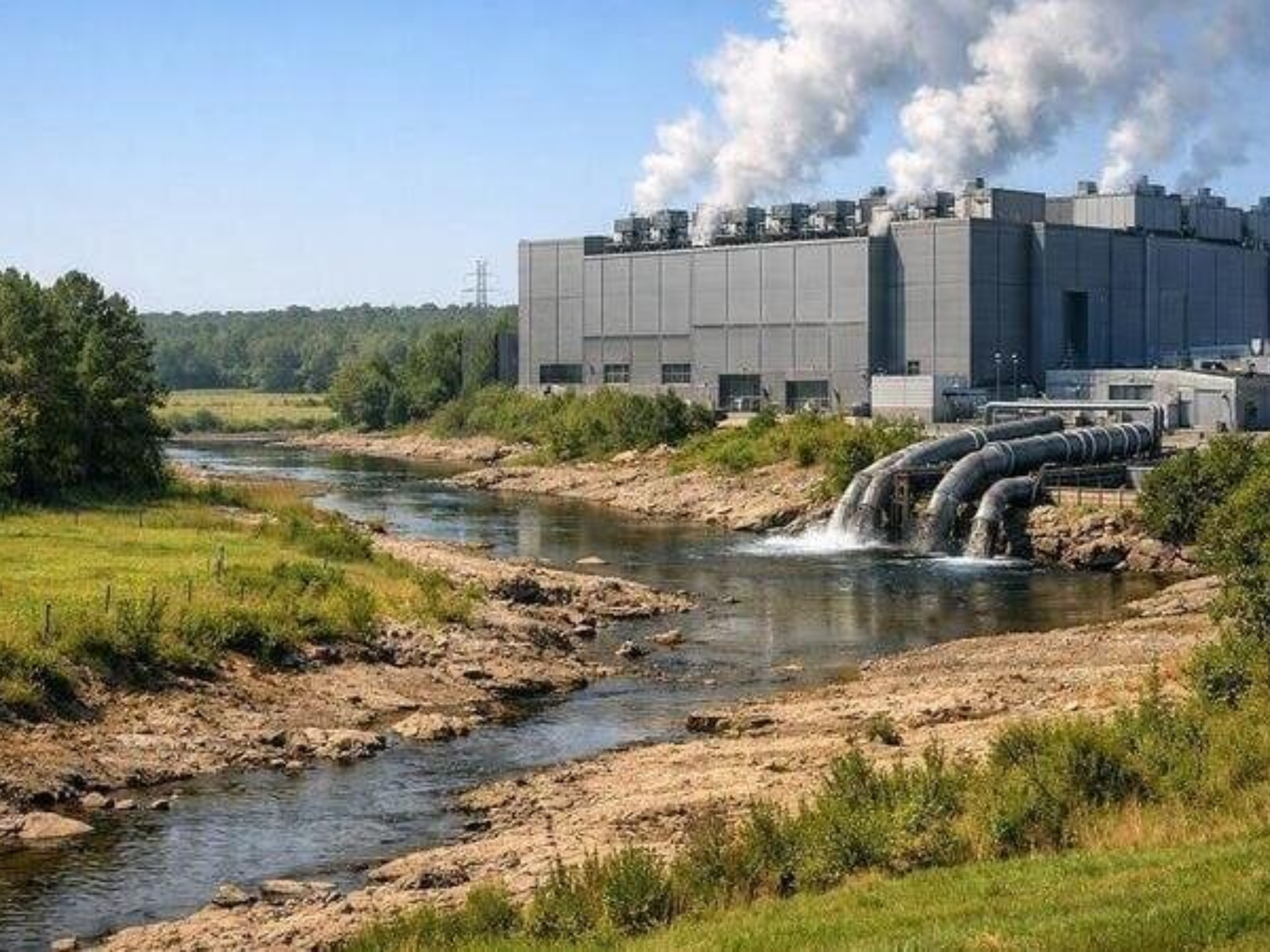
Brantley says: “Press Pause” on data centers
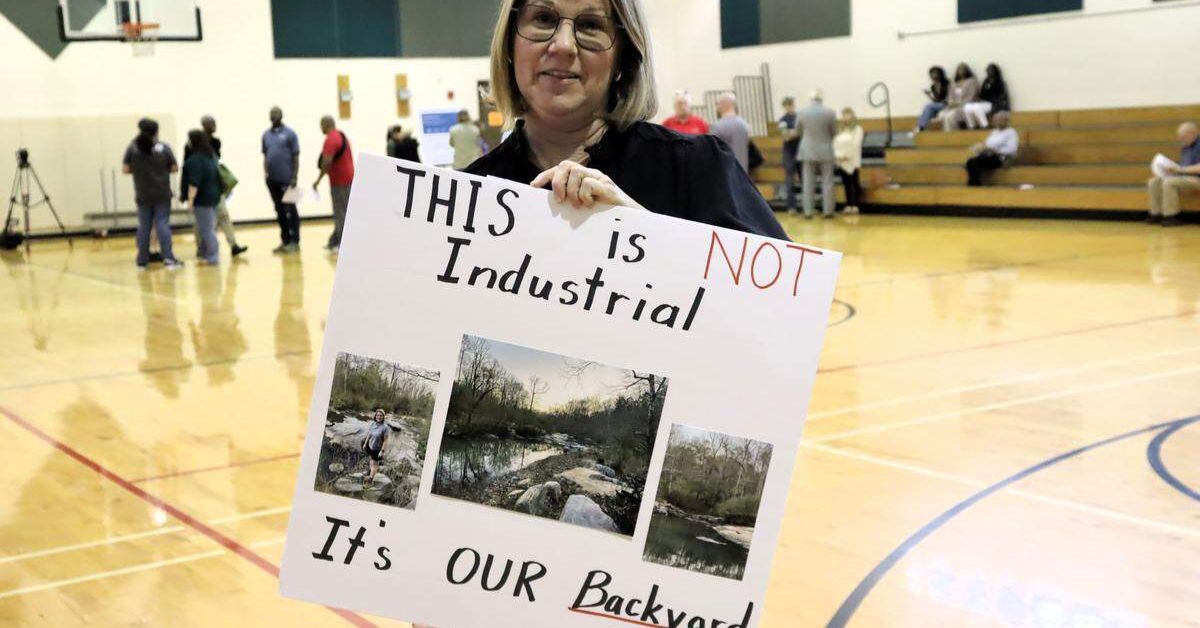
Brantley County residents, the Satilla Riverkeeper, and OHM are advocating for a data center ordinance that focuses on mitigating negative impacts to the community, resources, and environment. We’re investigating land-use concerns about a site along the Satilla River, providing science-based resources so the county commission can make informed choices, and encouraging local leaders to listen to their citizens—many of whom are loudly saying “No!” to data centers in Brantley.
Concern in Port Wentworth
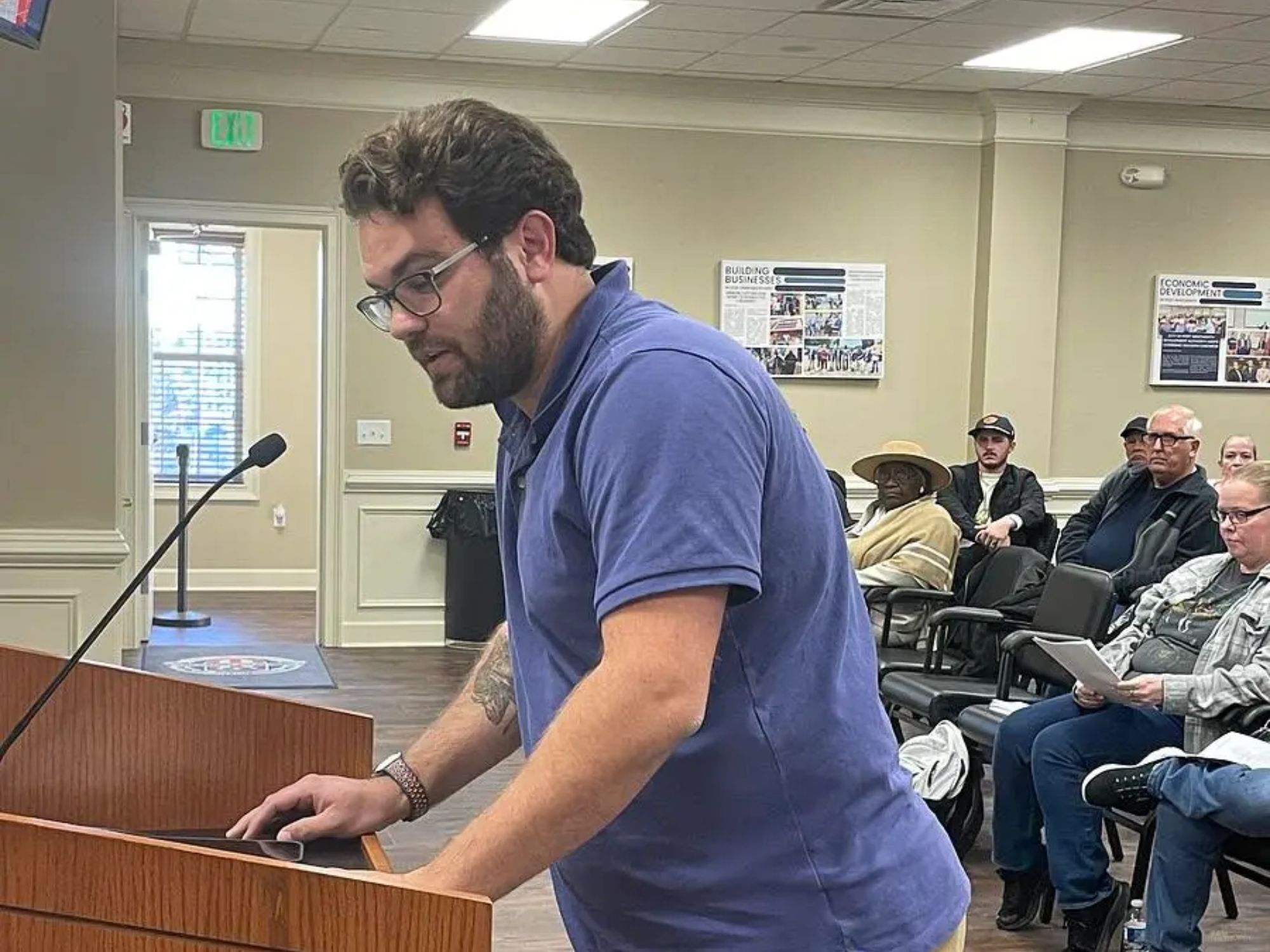
When Port Wentworth City Council announced they were considering adding a data center ordinance to the city’s zoning code, the public came out in full force, citing concerns around resources consumption and the potential of an “AI bubble.” Despite being unanimously rejected by the Planning Commission, the City Council then approved the data center ordinance with only one “no” vote. While this was disappointing, there is still momentum for change. OHM, partners, and community members are using evidence-based data to continue to highlight resident concerns and push for the development of stronger local ordinances across Chatham County.
Georgia Power, Public Service Commission, and your bill
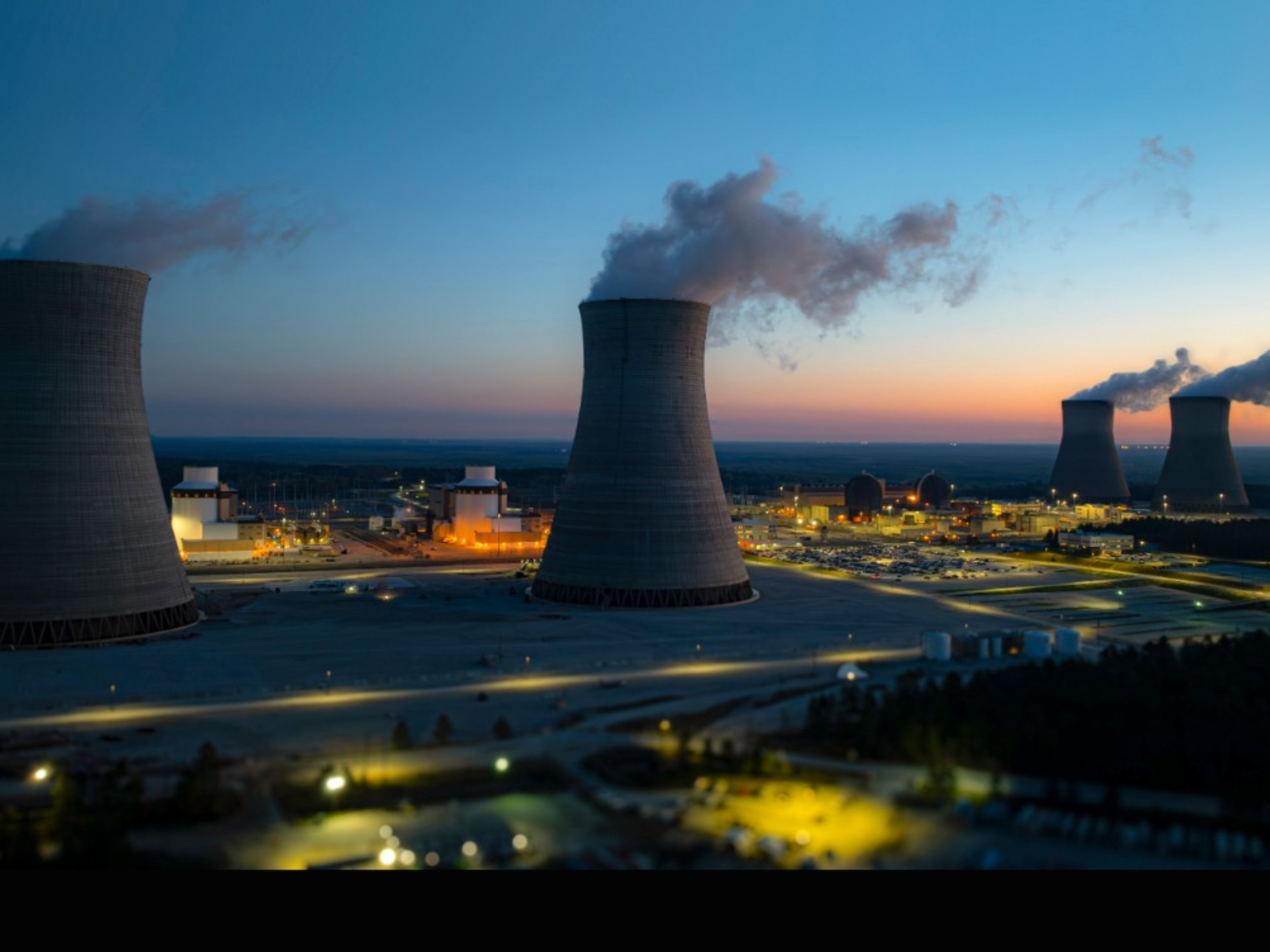
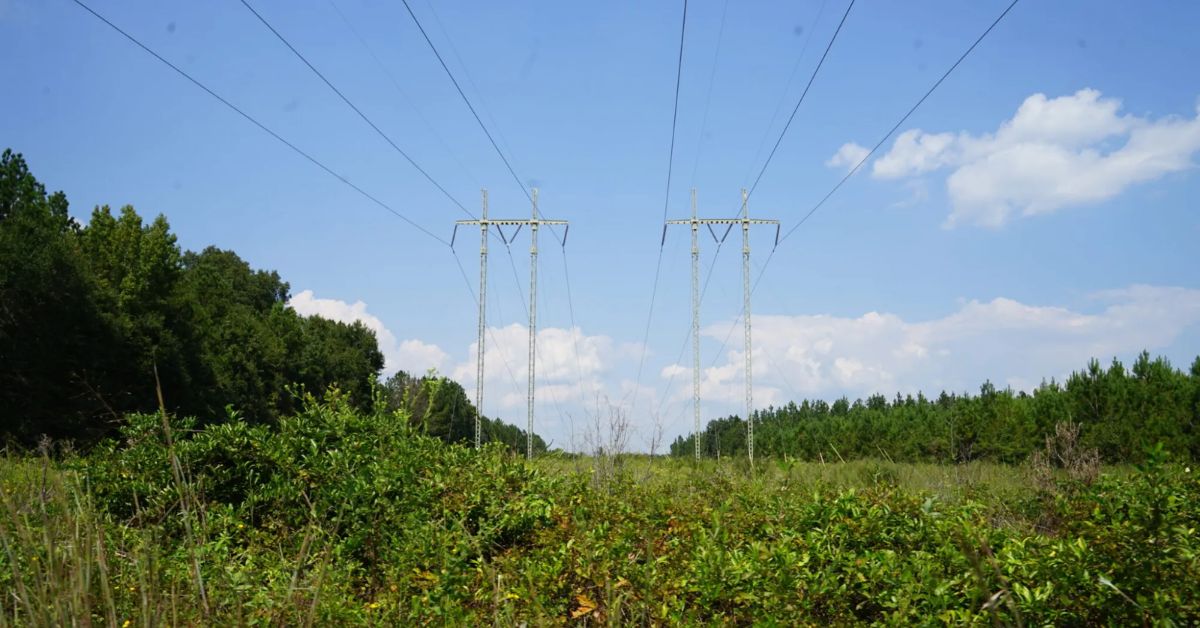
As the system works now, Georgia residents bear the cost of expanding power infrastructure needed to fuel data centers’ daily operations in the form of higher electricity bills. The Georgia Public Service Commission makes rules for electricity producers and approves changes to the cost of electricity in Georgia. In December, the Public Service Commission voted to approve Georgia Power’s request to build two Plant Vogtle’s worth of new electricity generation. Most of that new electricity generation is directly being built to support data centers and will be primarily produced using fossil fuels.
Data Center Resources
Click the images below to take a deeper dive into data centers and how they’re affecting Georgia’s coast.
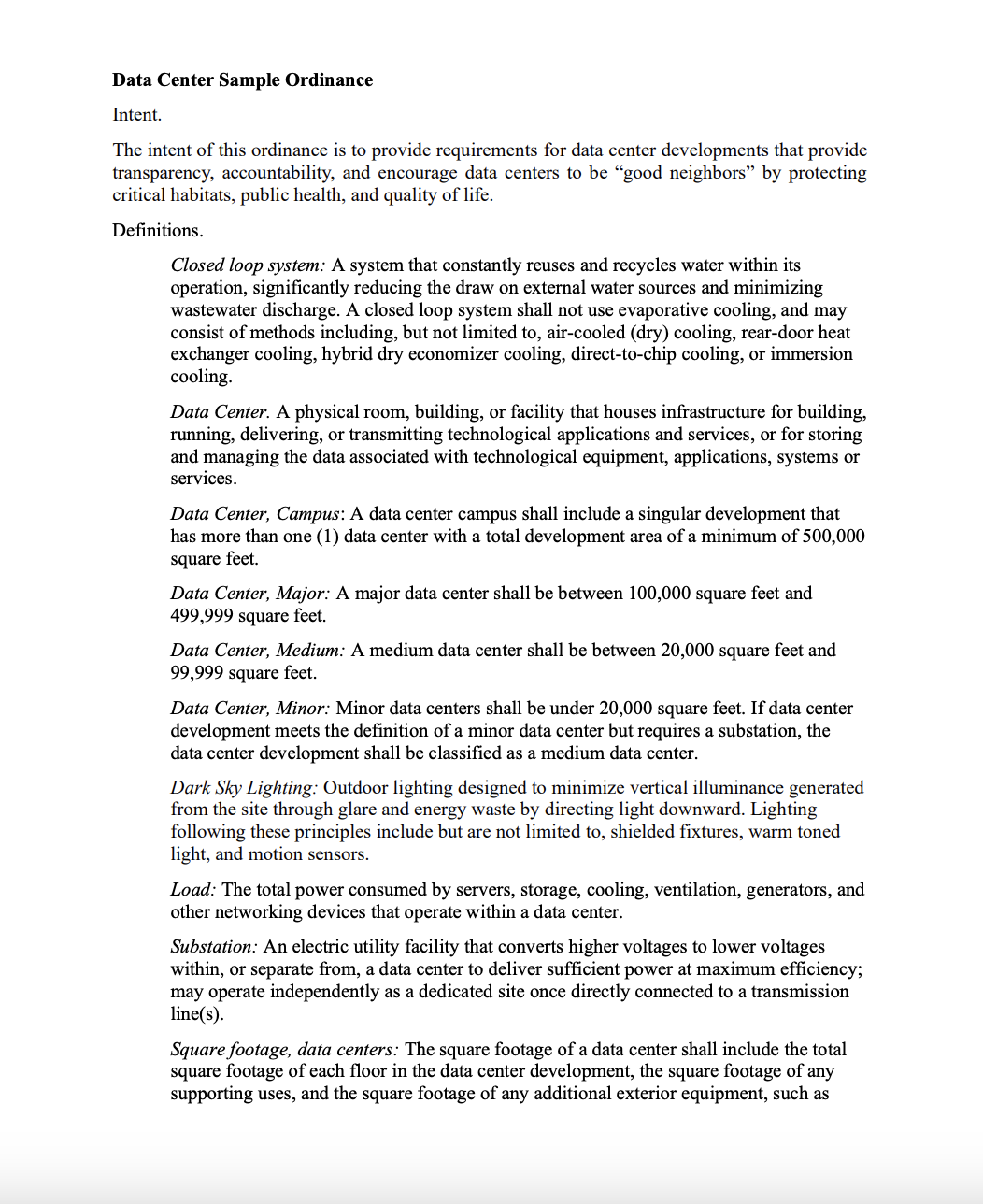
1) OHM’s sample data center ordinance. Contact us for additional resources and guidance on how communities can consider this model ordinance.
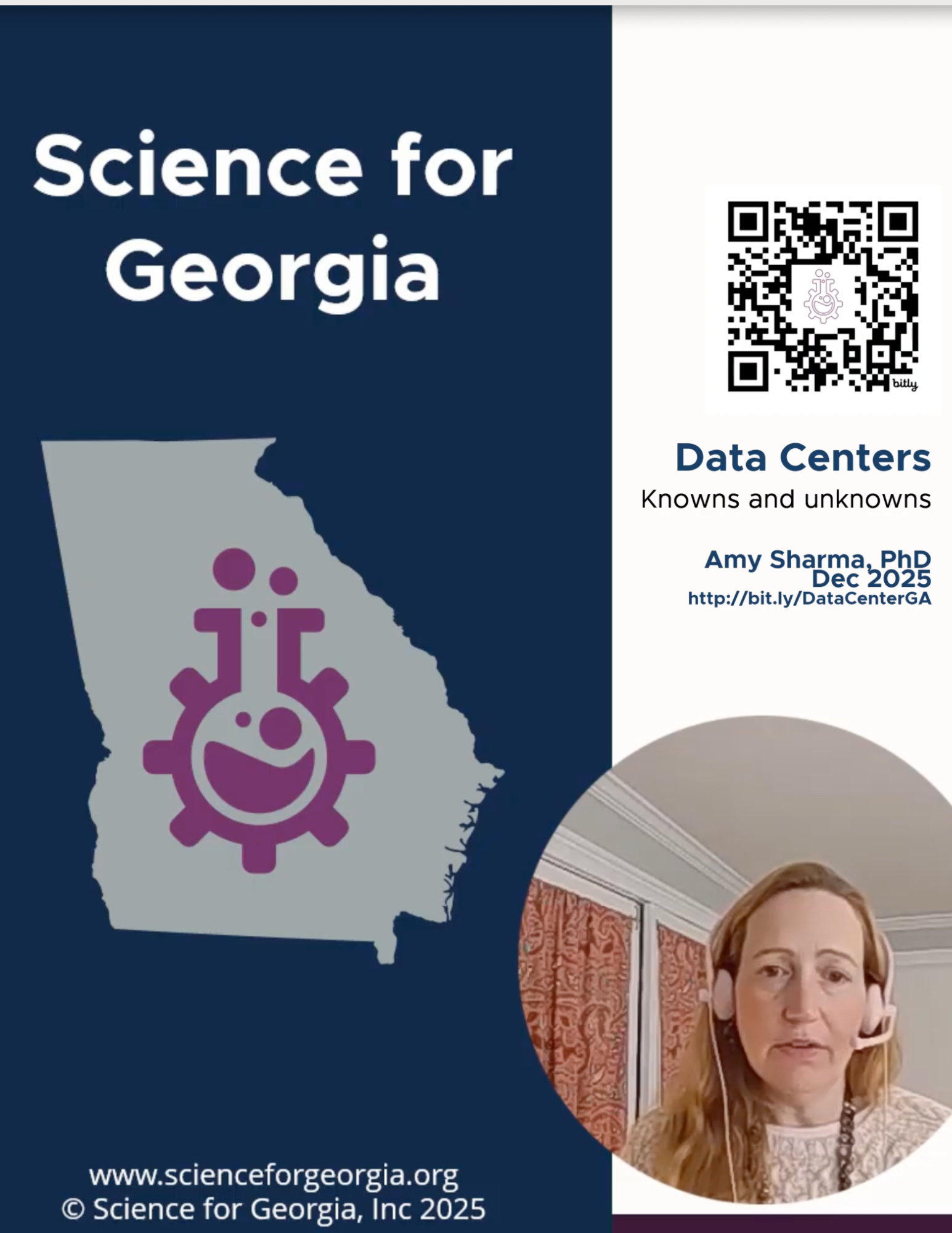
2) Sci4GA webinar 3) Sci4GA fact sheet
4) “Coastal Development Boom Endangers Salt Marshes, a Resource Vital to the Southeast Economy,” Pulitzer Center, 10/26/21
5) “Impacts of Projected Data Center Growth and Emerging Uncertainties on Power Demand in the Southeast,” Greenlinks Analytics Report, 2025

FAQ’s
Do data centers create lots of local jobs and tax revenue?
While data centers fuel multi-billion dollar tech industries, almost all of that money is going elsewhere—not into local pockets through tax revenue or jobs.
This is largely due to tax breaks and exemptions local authorities grant companies when they move in. An audit done by the State of Georgia revealed the tax exemptions given to data centers cost the state $1.5 billion since 2018; about 70% of the projects granted exemptions likely would have been built even if the exemption wasn’t there. Reports prove that tax revenue promises are widely inflated and fail to deliver.
A large-scale data center can create 1000+ jobs during construction and 50 to 200 permanent operations jobs. The average data center warehouse only employs about 30 people full-time.
Do we need data centers?
Data centers are critical infrastructure that power everything from online banking and cloud storage to AI tools and streaming services. They come in different sizes, able to support different types of digital operations, and have been around for decades.
Large-scale data centers—consuming the most resources and presenting the biggest threats to human and environmental well-being—typically power Large Language Models (LLMs, or generative AI like ChatGPT). They also facilitate crypto mining, which serves a small percentage of a digital global world yet drains real-life resources in your backyard. The current data center building boom has LLMs and crypto in mind, with few to no regulations in place to protect those most negatively impacted.
Will a new data center destroy water supplies?
Without strict regulations, this is a distinct possibility. A typical hyperscale facility can use between 1 to 5 million gallons of water per day on hot days.
With the expansion of data center across Georgia, it is imperative that requirements be established for data centers to utilize closed-loop or air-cooled systems that consume little to no water. Moreover, Georgia can establish benchmark goals for these types of commercial infrastructure.
Will data centers increase my energy bills?
It’s possible. As the laws are written now, Georgia Power can pass on the costs of new data center related infrastructure onto our residents and small businesses, increasing their utility bills.
Georgians experience some of the highest energy burdens in the country, with more than 1.2 million Georgians spending over 6% of their income on their energy bills.
Can data centers be sustainable, good neighbors to Georgians?
The data center industry is increasingly embracing environmentally conscious practices, investing in energy- and water efficient technologies and setting ambitious Net Zero goals in the long term. However, it is the state and local governments’ responsibility to regulate commercial development so that they do not negatively impact Georgians.
When reviewing the expansion of data centers throughout Georgia, state and local governments can negotiate positive partnerships, such as:
- Funding vocational training and apprenticeships in construction and digital infrastructure
- Developing renewable energy initiatives that feed into local grids
- Supporting community outreach and social impact programs
It is possible to be a good neighbor—but it must be intentional and consistent throughout the entire process of planning, building, and operating the data center.
Organizations to Know
Several other organizations across Georgia are also tackling data centers in their communities, in policy, and at the state level. Here are just a few of our partners we’re working with on this issue that we recommend checking out.


Data Centers in the News
GPB | 5/29/26
Effingham Herald | 5/21/26
The Atlanta Journal-Constitution | 5/15/26
The Brunswick News | 5/15/26
The Current | 4/24/26
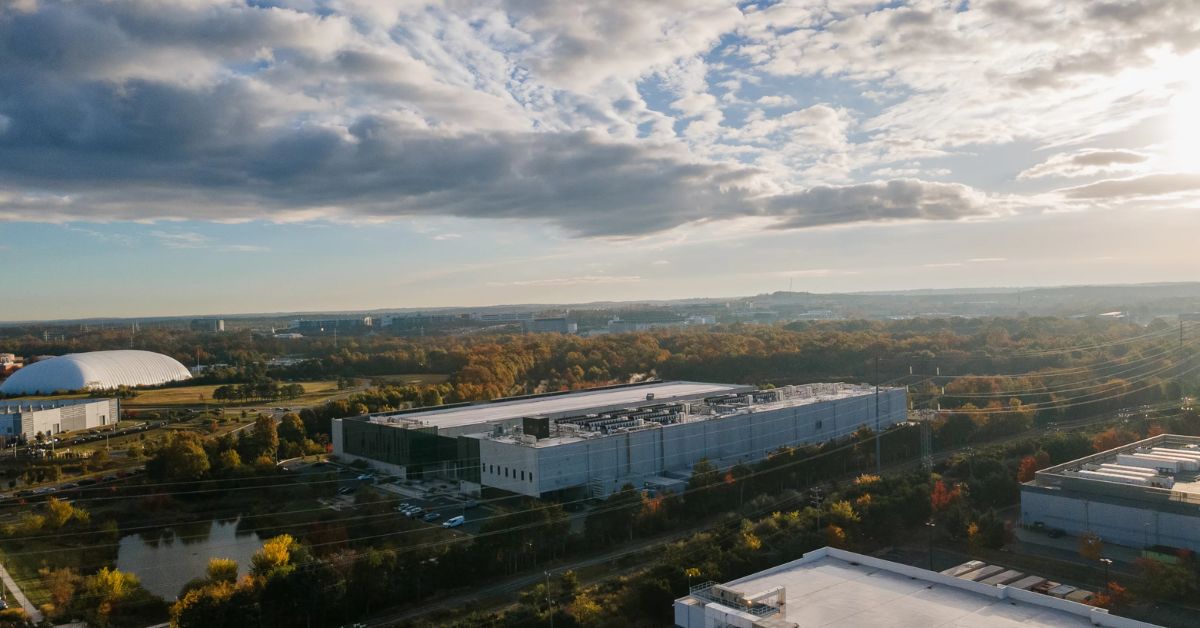
NPR | 4/20/26
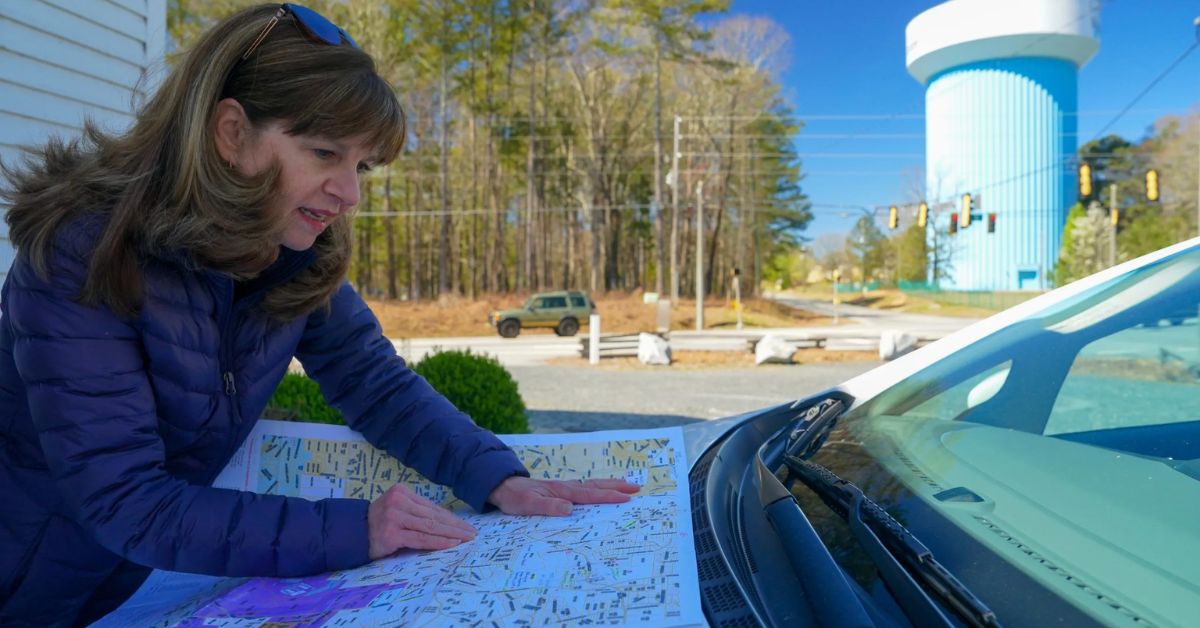
WABE | 4/18/26
The Current | 4/16/26
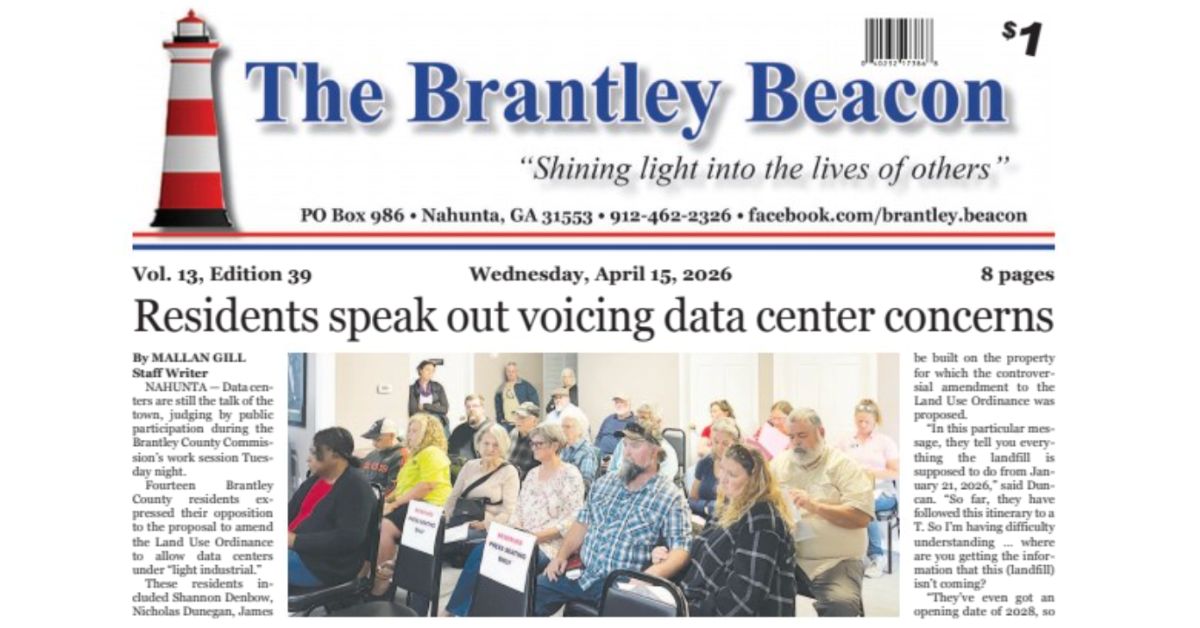
Brantley Beacon | 4/15/26

Georgia Recorder | 4/10/26

DeSmog | 4/7/26
The Current | 4/3/26

The Current | 3/31/26
The Current | 3/27/26
The Atlanta Journal-Constitution | 3/26/26
Columbus Ledger-Enquirer | 3/24/26
The Brunswick News | 3/20/26
SELC | 3/18/26
Atlanta Journal-Constitution | 3/13/26
WABE | 3/6/26
SELC | 3/4/26
Georgia Recorder | 2/26/26
The Current | 2/14/26
Atlanta Journal-Constitution | 2/13/26
WSB-TV Atlanta | 2/12/26

The Blackshear Times | 2/10/26

Fox 5 Atlanta | 1/12/26
The Current/WABE | 2/10/26
South Carolina Daily Gazette | 1/22/26
Savannah Morning News | 1/20/26

Associated Press | 1/13/26

Atlanta Journal-Constitution | 1/16/26
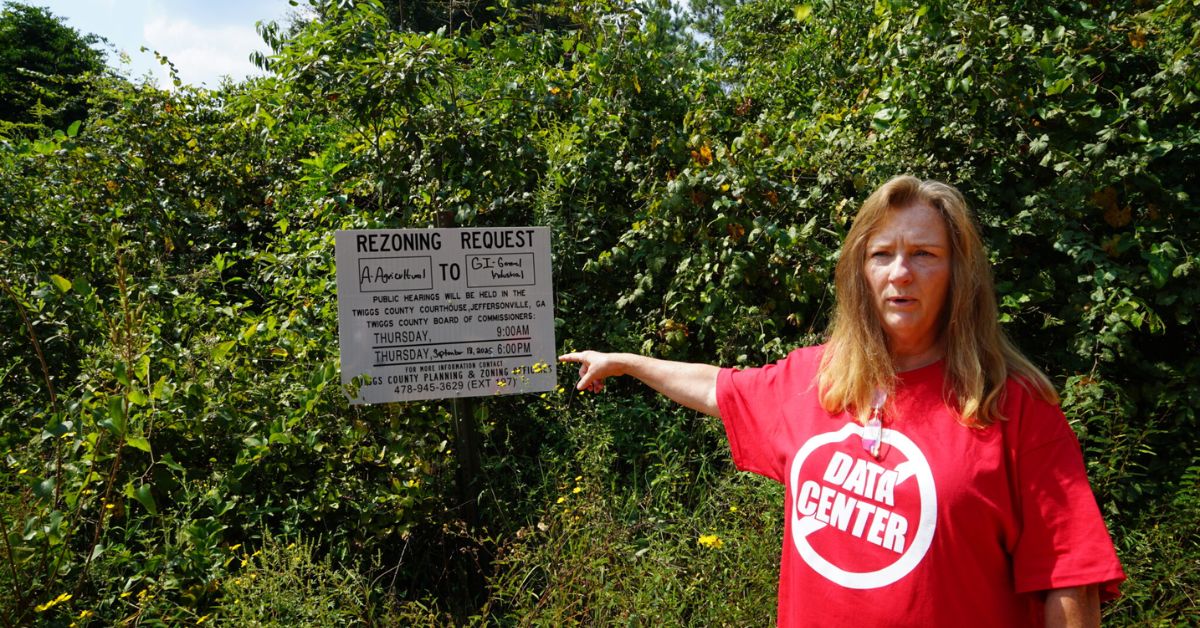
Georgia Recorder | 1/6/26
The Current | 12/16/25
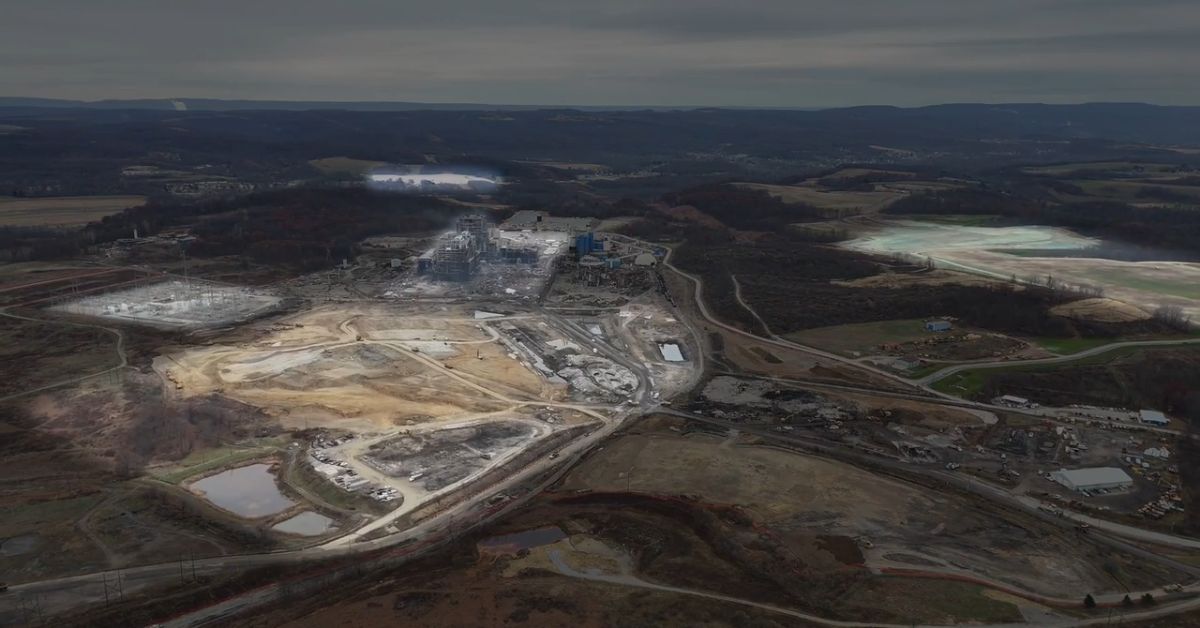
Washington Post | 12/15/25

Tribune & Georgian | 8/22/25

“We must ensure that the rise of data centers doesn’t mean the destruction of human health and natural spaces. It is possible—but it must be intentional.”
Please contact Gabby Leva, VP of Programs, to learn more about our data center work across Georgia’s coast.








 Here you see