Seeking Alternatives to Save HSCs
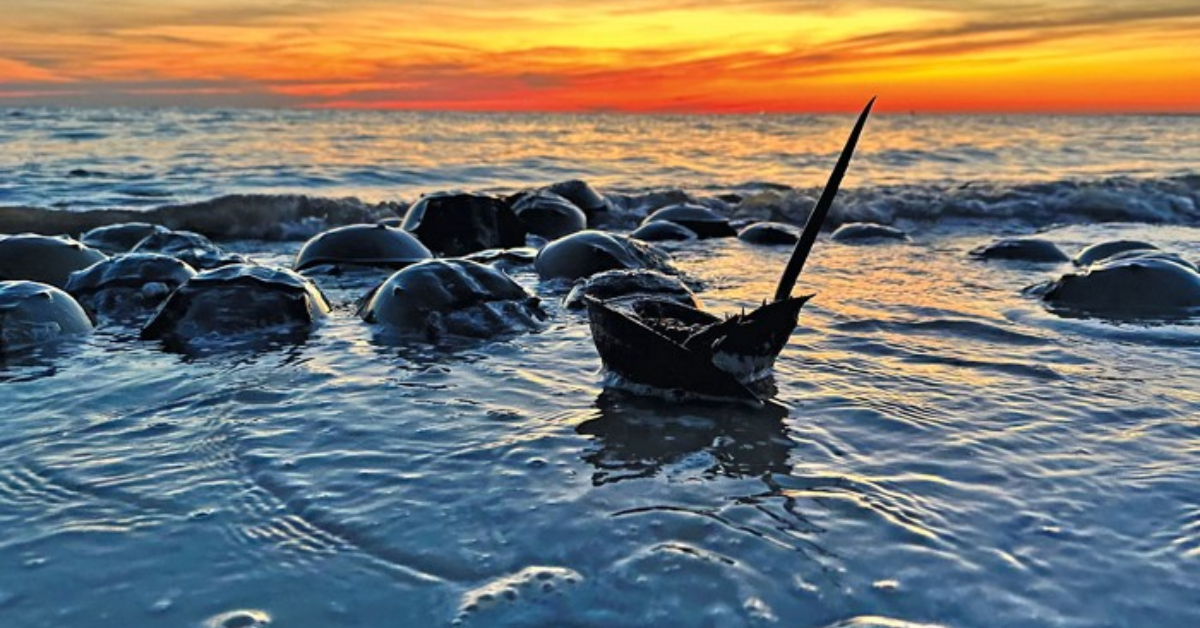
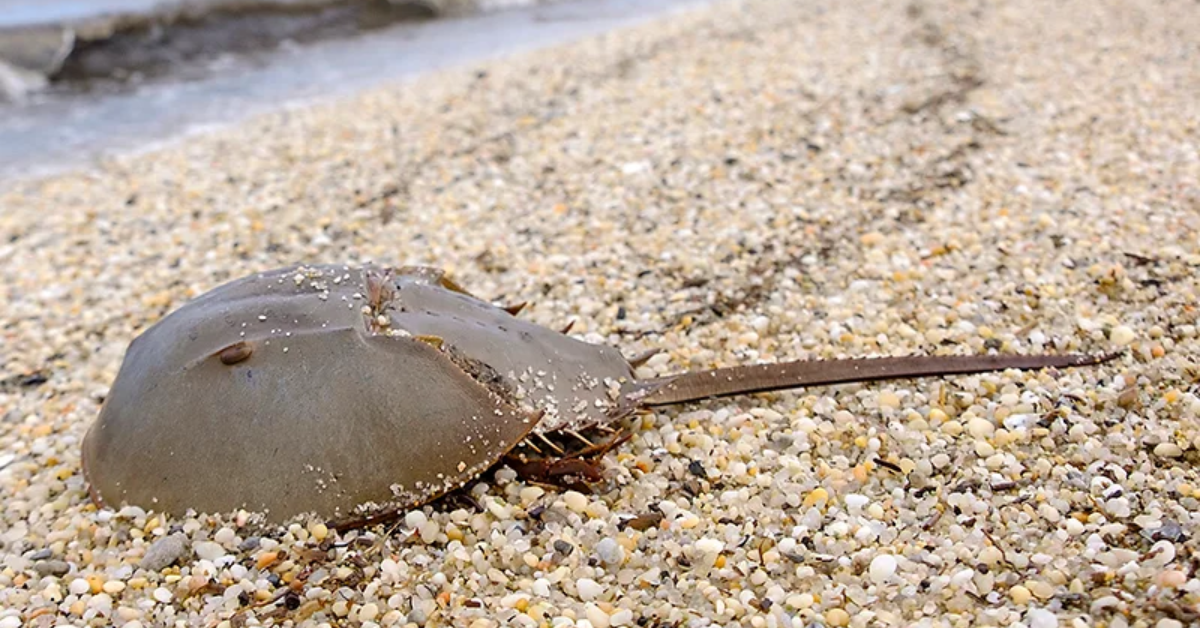
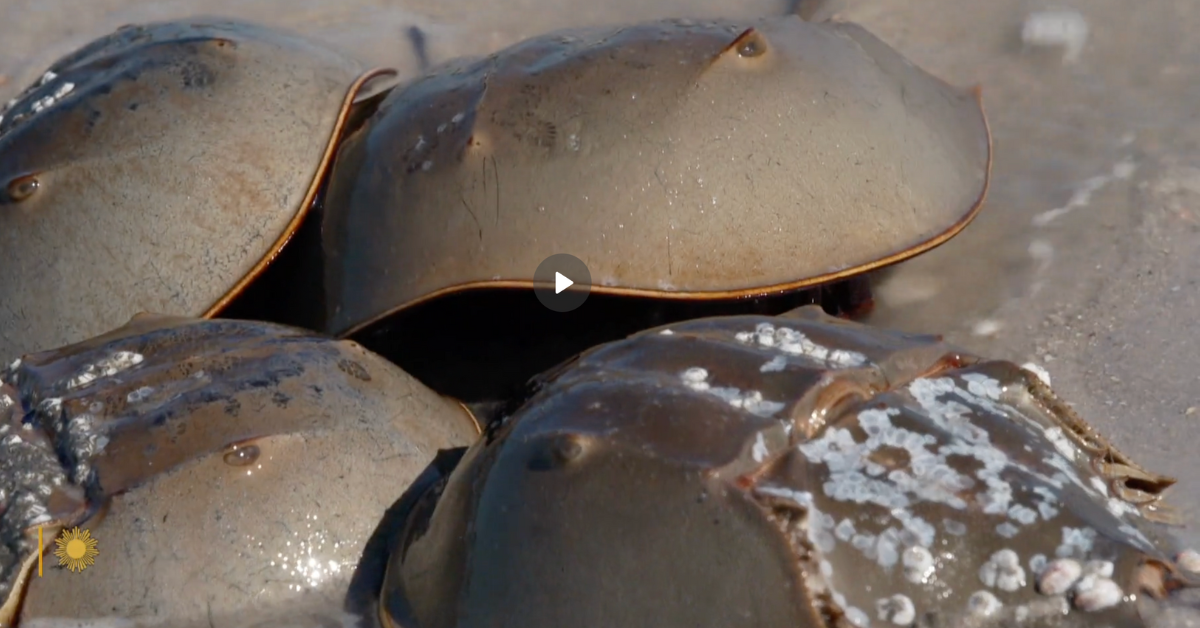
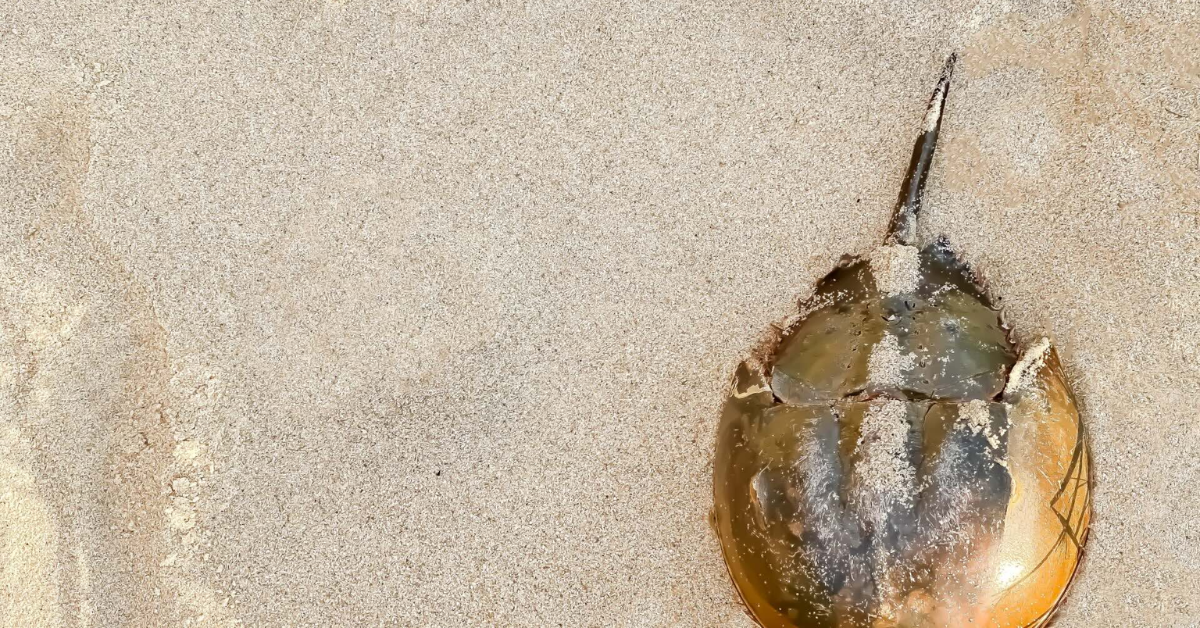
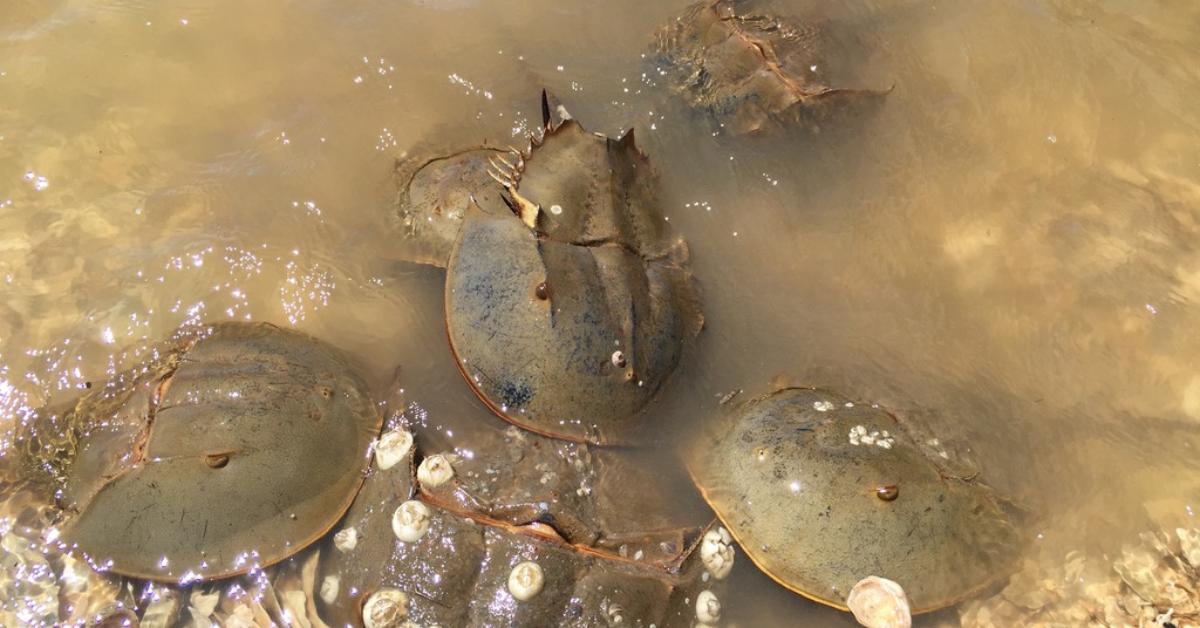
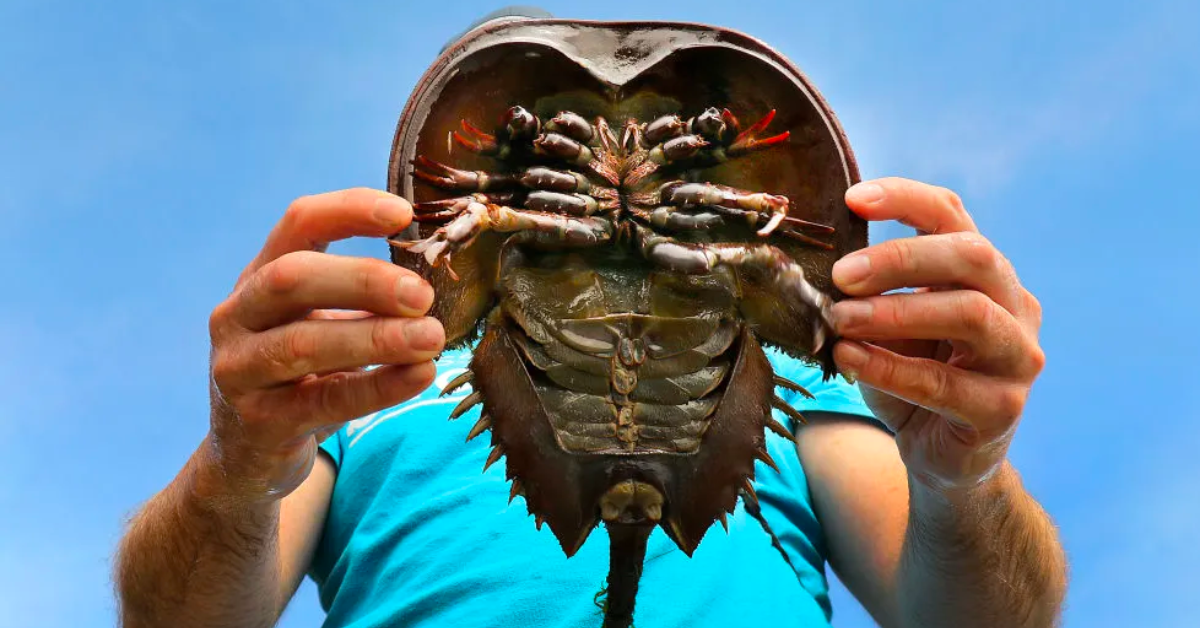
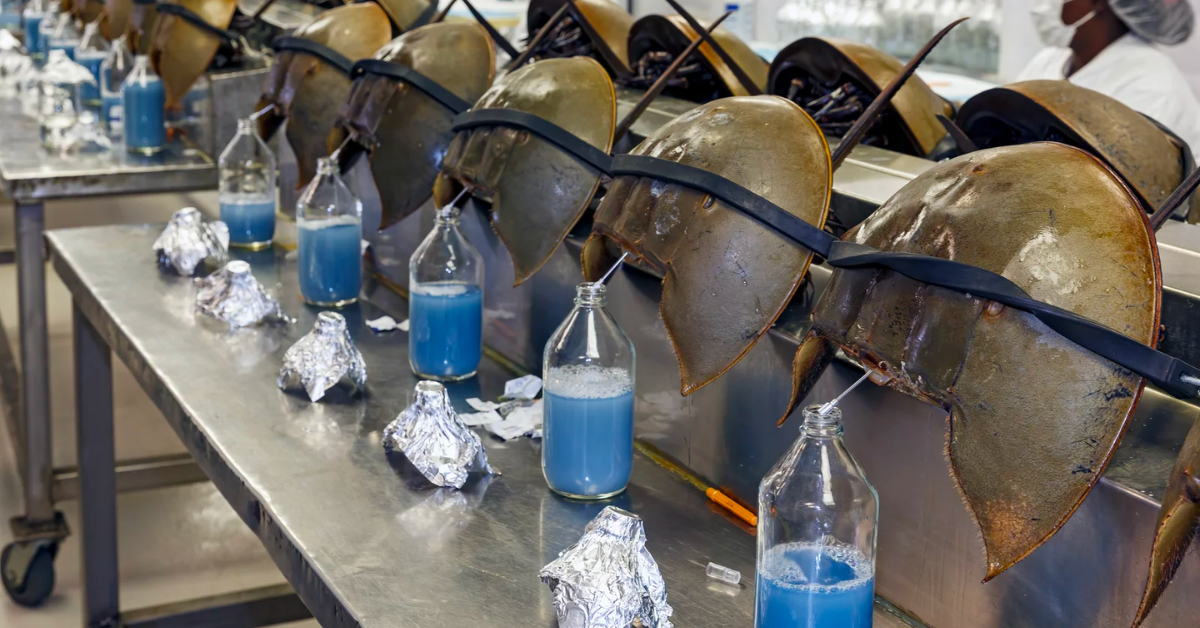
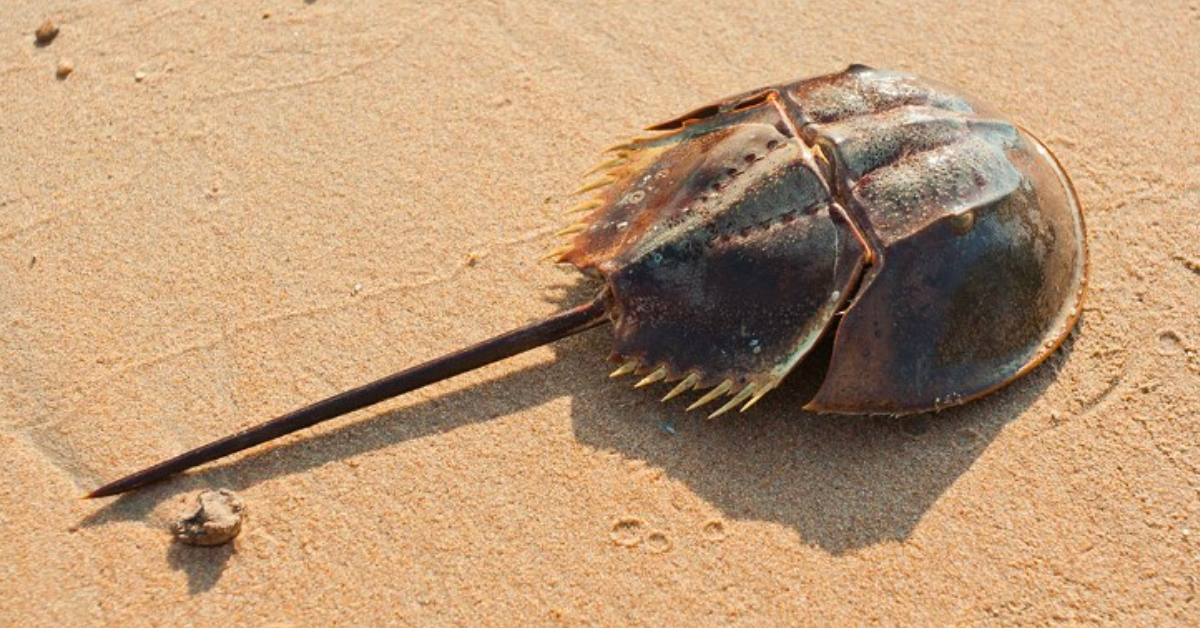
Humans also use the horseshoe crabs for biomedical purposes. Nearly a million crabs are now being bled each year for this purpose. It is estimated that up to 30 percent die during the process, meaning that hundreds of thousands of preventable deaths could be avoided with greater use of synthetic reagents. (Read more in our news section below.)
The good news is that in July 2024, the USP Microbiology Expert Committee approved adoption of a reliable and sustainable source for endotoxin testing material that does not use the blood of a wild animal. The synthetic alternative is based on real-world evidence with medicines already on the market, the recombinant agents have been shown to be as good as, or better, than traditional testing using the blood/reagent from HSC.
We’re grateful to our partners, including shorebird biologists at Manomet and members of the Horseshoe Crab Recovery Coalition, who have advocated tirelessly for HSC. This pivotal decision grants competitive status to use artificial reagents in endotoxin tests and is a step forward in the population recovery efforts for horseshoe crabs, migratory shorebirds and other important species.

Horseshoe Crabs in the News
Chemical & Engineering News | 10/28/24
Earth Justice | 10/21/24
CBS News | 8/11/24
US Pharmacopeia | 7/26/24
SELC News | 5/21/24
The Current | 5/11/24
Smithsonian Magazine | 10/13/23
NPR | 6/30/23
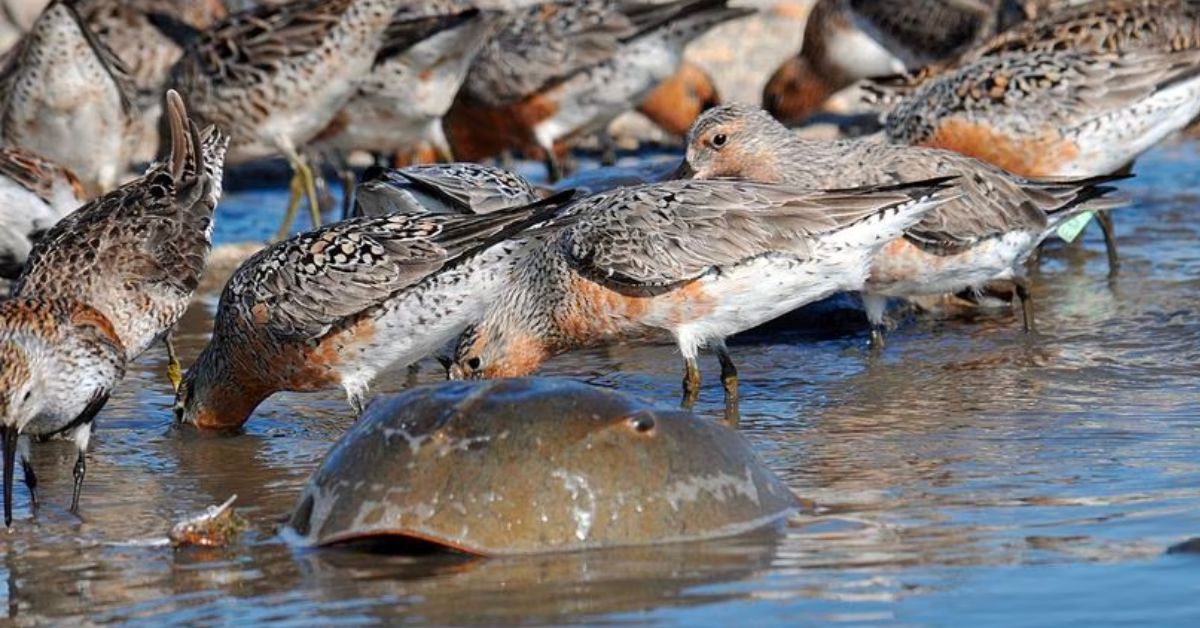
Savannah Morning News | 5/19/23
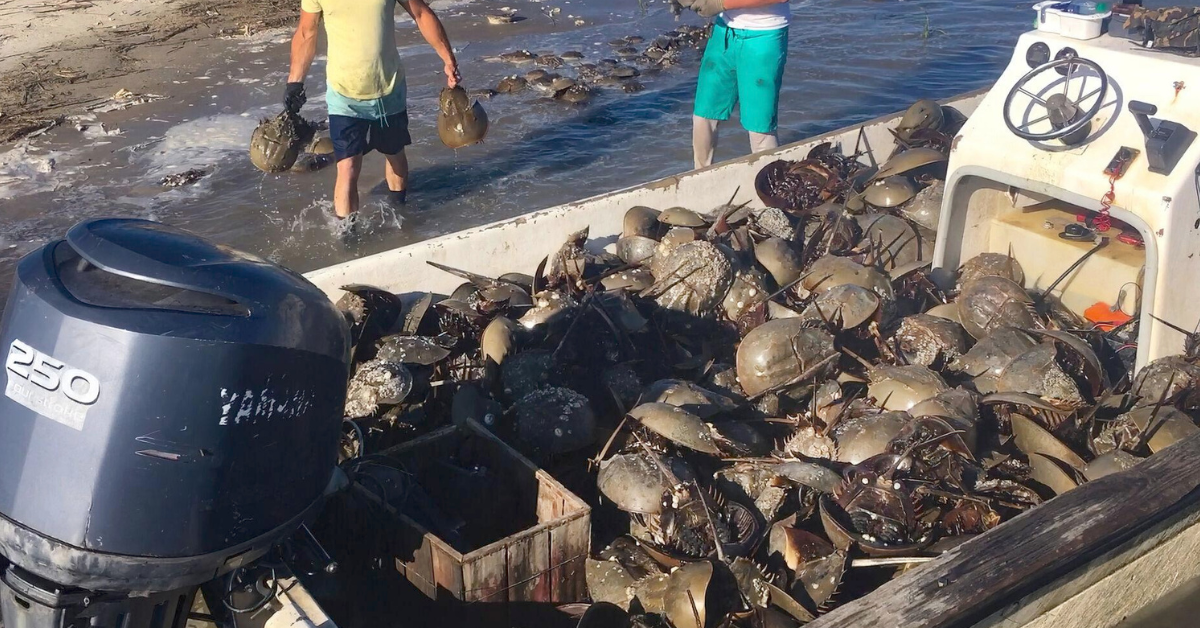
The Post and Courier | 4/7/23
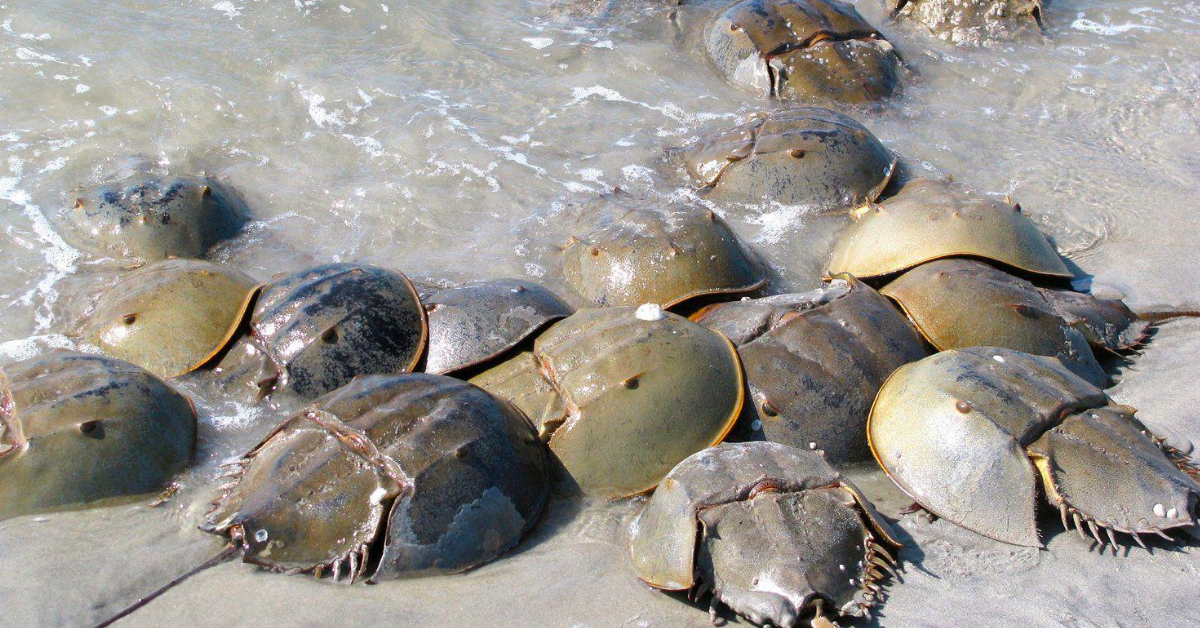
Post and Courier | 3/23/23
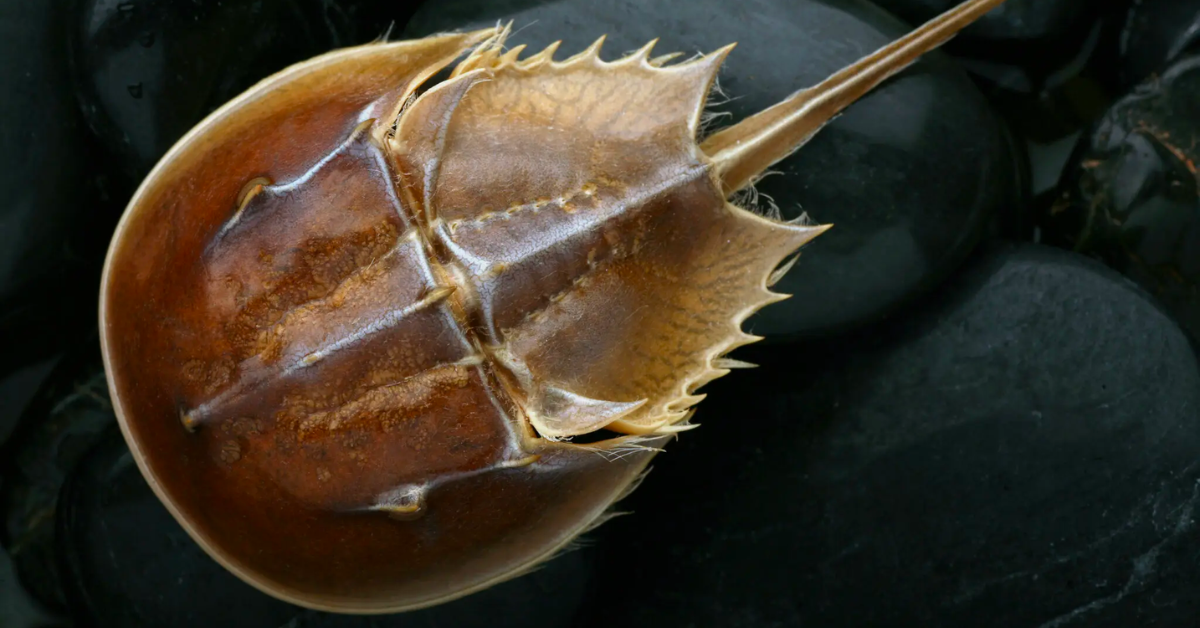
The New York Times | 2/16/23
Natural History Museum | 12/3/20

Catherine Ridley
VP, Education & Communications
Contact Catherine
“We must remain vigilant and intentional. OHM is proud of the partnerships we’ve built over the years to ensure the protection of our coast’s shorebird population.”
Please contact Catherine for more information about how you can help to protect Georgia’s wildlife.





 Here you see